




your cart
Your cart is empty.


Recipes
General Articles
What is Soy Sauce?
Soy sauce is a widely used condiment known for its unique saltiness and pronounced umami taste. We explore everything you need to know about soy sauce!
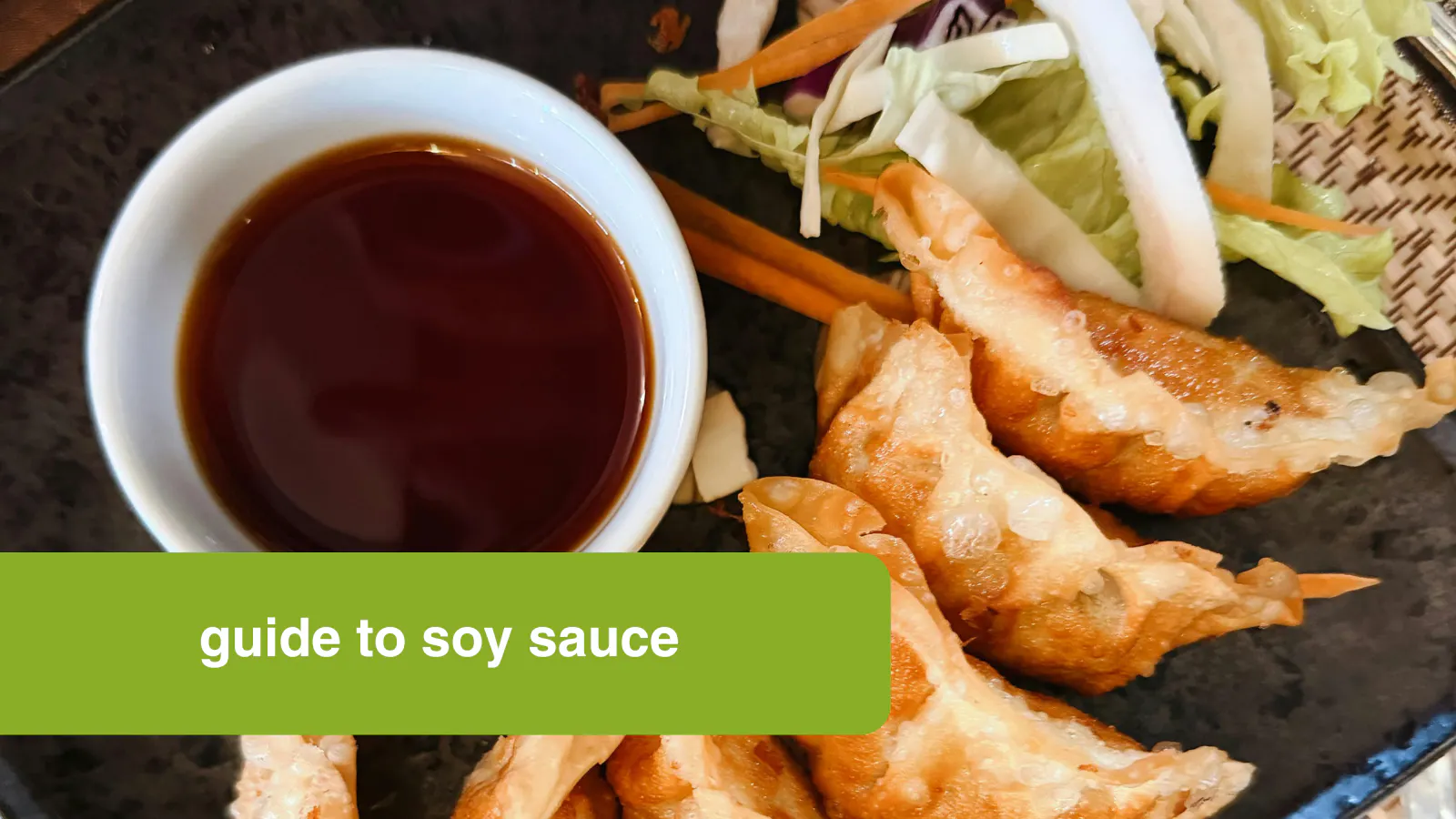
For many, soy sauce is considered to be the staple of oriental cuisine, being involved in most savoury dishes, from noodles to sushi! But why is it so widely used in East Asian dishes? We explore everything you need to know about soy sauce!
What is Soy Sauce?
Soy sauce is a widely used and versatile traditional Chinese condiment known for its unique saltiness and pronounced umami taste. It is usually eaten with rice, sushi, stir fry, or noodles, and can be used as both a dipping sauce or seasoning. Soy sauce can help to maximise the flavours of your food.
What is Soy Sauce Made of?
Soy sauce is traditionally made from a paste consisting of soybeans, wheat, salt, and water, and is fermented over several months using Aspergillus fungus, also known as kōji mould, which gives the condiment its unique umami taste. Some modern soy sauces will include ingredients like sugar or caramel syrup for a sweeter taste, and MSG or disodium inosinate to boost the savoury umami flavour.
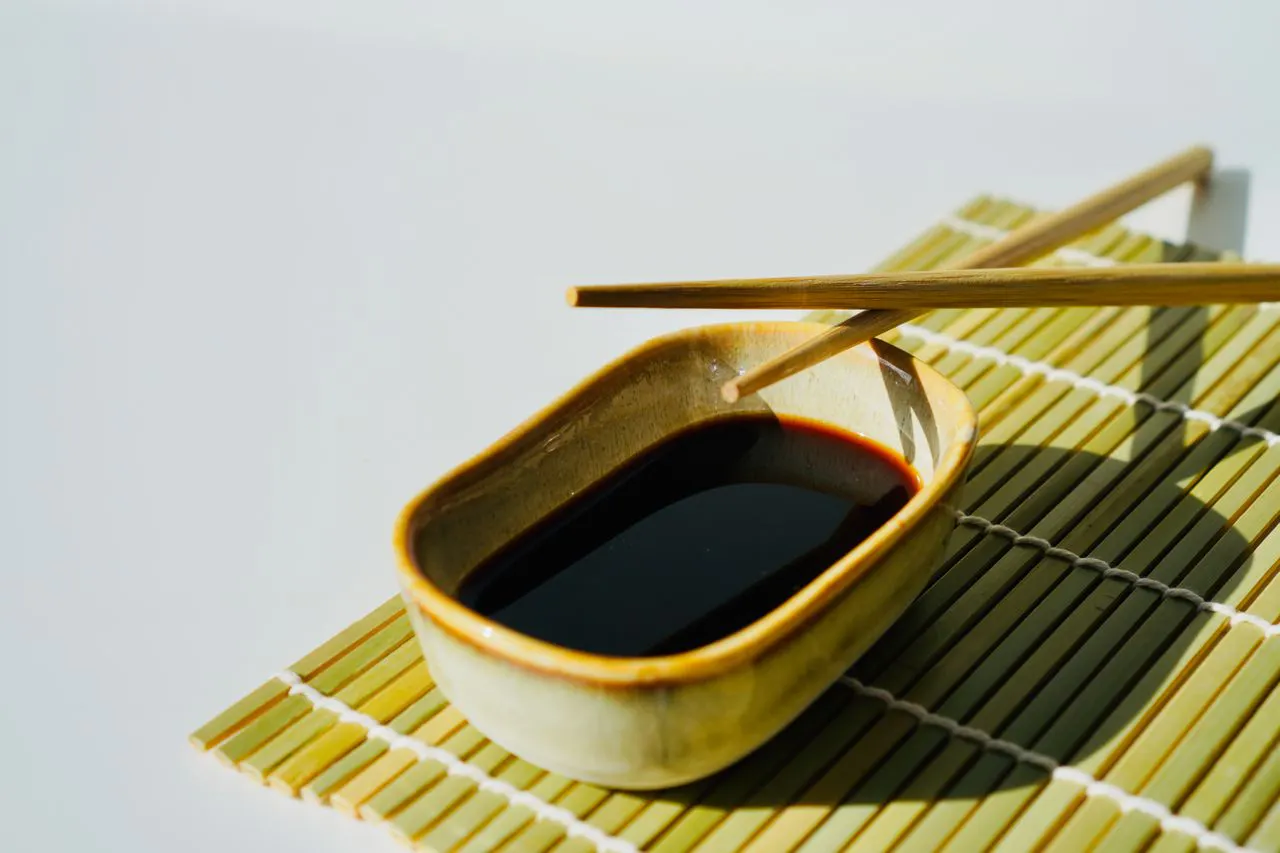
Types of Soy Sauce
There are a few different types of soy sauce that you can enjoy, each of which offers slightly different uses and flavours.
Difference Between Dark Soy Sauce and Light Soy Sauce
Dark and light soy sauces are good for achieving different taste results. Dark soy sauce is thick and slightly sweet, often including molasses or caramel. It is used mostly in braises and marinades to bring out sweeter tastes or add a subtle contrast.
Light soy sauce is the most common, everyday type of soy sauce. It has a thinner texture and a very salty taste, often used to add umami and salt to a dish without darkening the food.
Other Soy Sauce Types
- Mushroom soy sauce - a variation of dark soy sauce which contains shiitake or straw mushroom essence for a deep and earthy flavour.
- Koikuchi Shoyu - a Japanese version of soy sauce; it offers a smoother, sweeter taste and richer umami.
- Tamari - a Japanese soy sauce that contains little or no wheat. It has a deeper, richer taste and is often chosen by those following a gluten-free diet.
- Kecap Manis - a thick Indonesian soy sauce sweetened with palm sugar. It is commonly used in Indonesian cuisine and works well in marinades and noodle dishes.

Soy Sauce Alternatives
Whether you've run out of soy sauce or need an alternative due to allergies or dietary requirements, there are several soy sauce substitutes available.
- Tamari - One of the closest alternatives to traditional soy sauce, offering a similar umami flavour, often made without wheat.
- Coconut Aminos - Made from the sap of coconut blossoms. It is naturally gluten-free and lower in sodium, with a slightly sweeter taste than soy sauce.
- Liquid Aminos - A seasoning made from soybeans that provides a similar savoury flavour. Some varieties are gluten-free, but always check the label.
- Worcestershire Sauce - While not an exact replacement, Worcestershire sauce adds depth and umami to recipes and can work well in marinades.
- Fish Sauce - Popular in Southeast Asian cooking, fish sauce delivers a strong savoury flavour that can replace soy sauce in some dishes.
- Miso Paste - Mixed with water, miso can provide a similar salty, fermented flavour profile in soups, sauces and dressings.
Is Soy Sauce Gluten Free?
Soy sauce is usually not gluten free, as wheat is a primary ingredient. However, there are gluten free soy sauce options available, as well as other substitutes.
Japanese Tamari sauce is often used as a gluten free substitute for soy sauce, as it naturally does not contain wheat like soy sauce does, although you should always check labels for specific ingredients. Tamari sauce has a richer and less salty taste than traditional light soy sauce, making it more similar to dark soy sauce in texture and taste.
Soy Sauce Substitute for Soy Allergy
For those allergic to soy itself, coconut aminos work as a great substitute. Dark and slightly sweet, this condiment is naturally free from soy and gluten. Despite being made from coconuts, it tastes almost exactly like soy sauce, offering its own sweet, umami taste.

Does Soy Sauce Expire?
Because of its high salt and fermentation content, meaning that bacterial growth is prevented, soy sauce does not expire. However, it does tend to lose its peak flavour after about two years.
To ensure your soy sauce can be used for longer, it is recommended to keep it in the fridge. While it is generally safe to consume no matter how old, discard your soy sauce if you notice mould, a strange odour, or an unusually bitter taste.
Being such a versatile condiment, soy sauce can be eaten alongside or used to upgrade many different types of dishes. Its unique saltiness makes it a wonderful substitute for salt alone, elevating the flavour. If traditional soy sauce doesn’t suit your dietary needs, there are plenty of alternative forms of the beloved sauce which you can use in its place!
this site uses cookies
We and our advertising partners use cookies on this site and around the web to improve your website experience and provide you with personalised advertising from this site and other advertisers. By clicking allow, you accept the placement and use of these cookies for these purposes. Learn More