




your cart
Your cart is empty.


General Articles
7 Hardest Chinese Dishes to Make
Expand your culinary horizons with these hard-to-make Chinese dishes that require expert skill & patience!
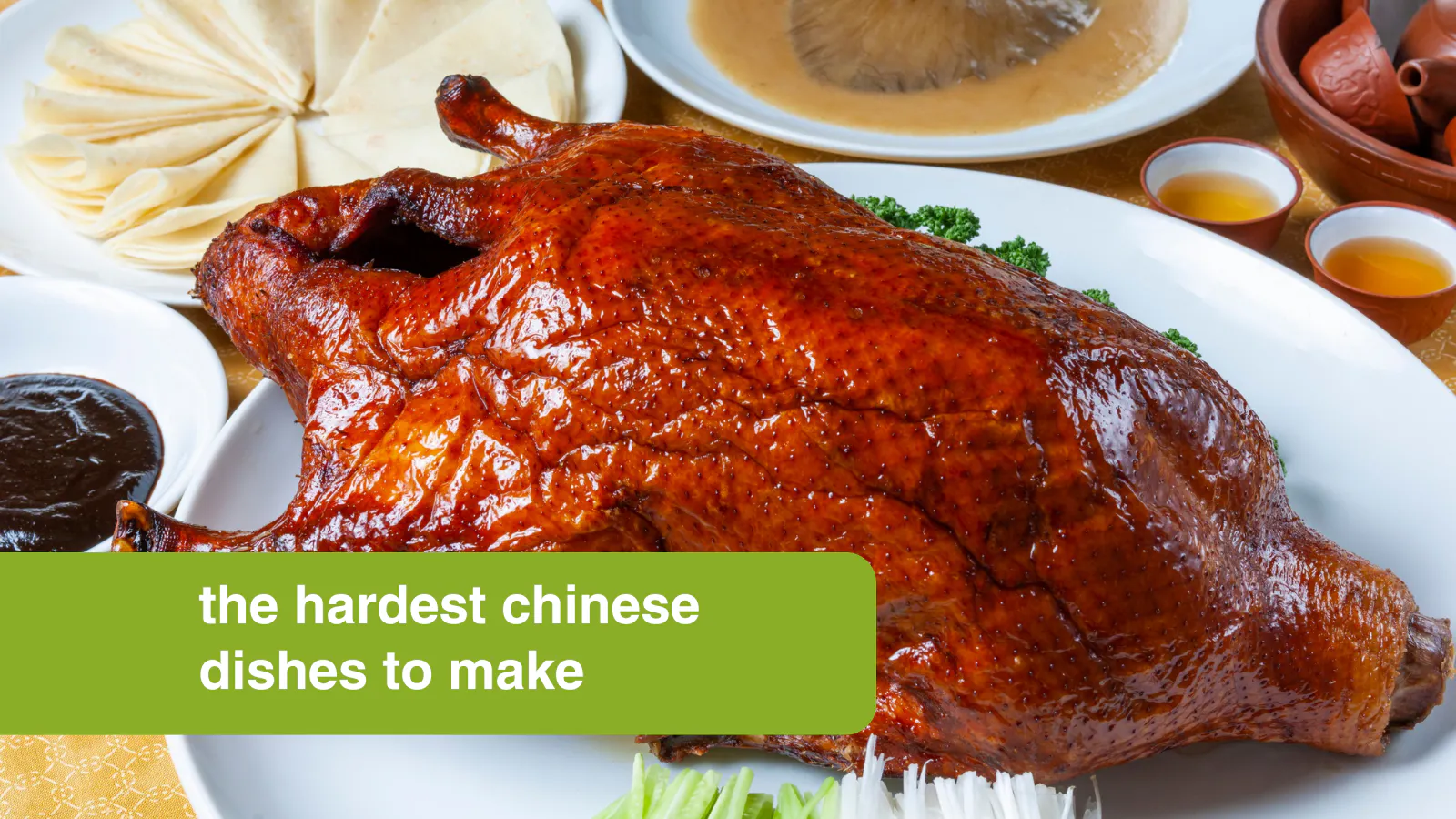
Chinese cuisine is incredibly diverse, shaped by centuries of regional traditions and culinary innovation. While staples like rice and noodles are celebrated for their simplicity and accessibility, many more iconic dishes demand a far higher level of precision, technique and experience to execute properly.
The Most Difficult Chinese Dishes to Cook
From intricate knife work that takes years of practice to time-intensive preparation and highly specialised cooking methods, these dishes are a cut above the rest when it comes to showcasing the culinary mastery and artistry often involved in Chinese cooking.
Buddha Jumps Over the Wall
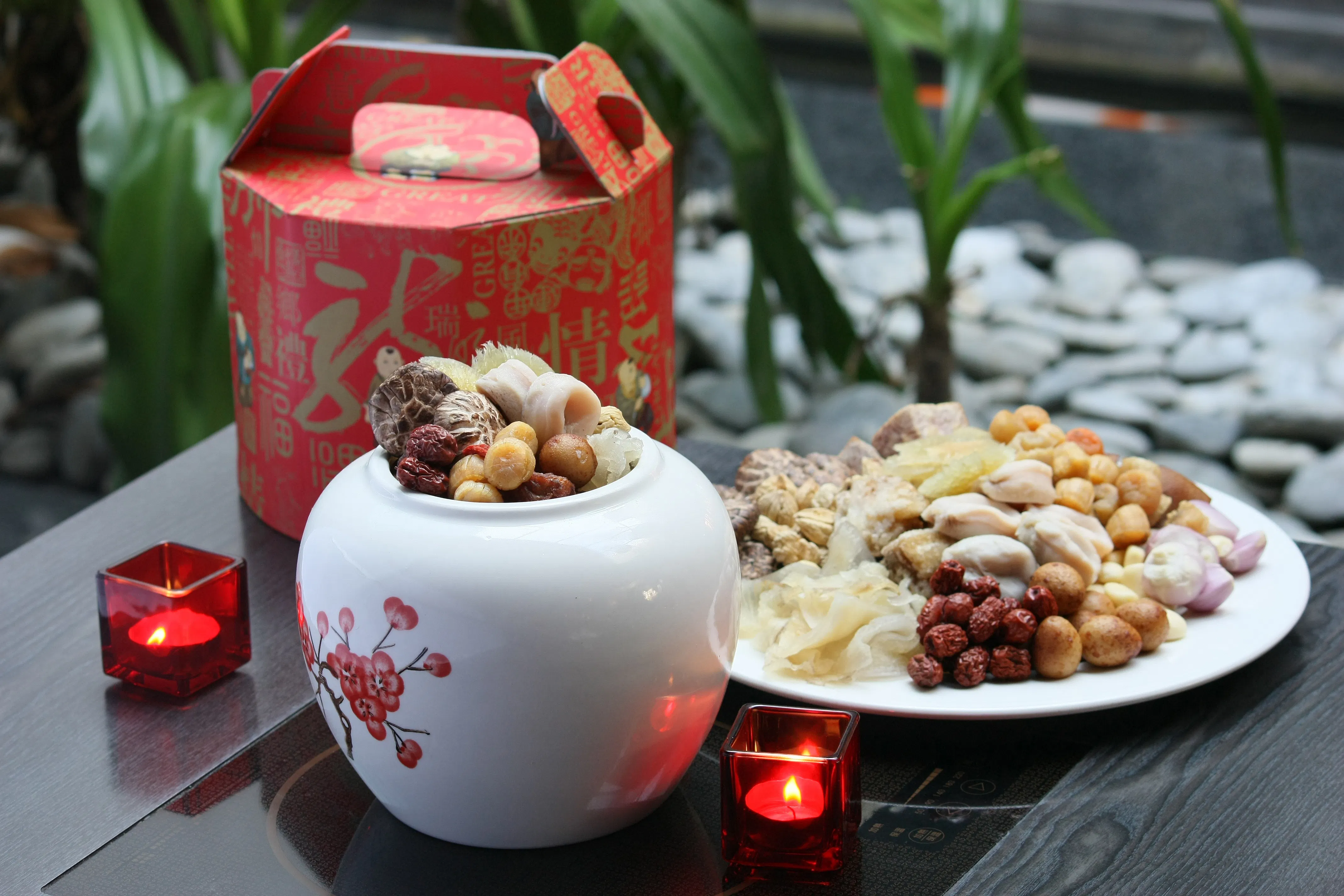
Renowned as one of the most complex and luxurious dishes from China, this speciality soup is packed with all sorts of premium ingredients. Traditionally the dish takes two full days to make, requiring meticulous attention to detail. Some recipes list up to 30 main components, including quail eggs, scallops, abalone, shark fin, chicken, ham, pork tendon, bamboo shoots, ginseng and various condiments.
As shark finning has become more controversial, most modern recipes use imitation shark or an alternative.
Due to the numerous high-end, rare ingredients and labour-intensive preparation, this dish is largely seen as a delicacy and is enjoyed during banquets, festivals and celebrations.
The name of the soup comes from a story whereby monks were so tempted by the delicious aroma of the dish, they broke their vows, jumping over the wall to try the decidedly non-vegetarian meal and claiming it was so tasty that even Buddha would jump over the wall for a taste!
Hand Pulled Noodles
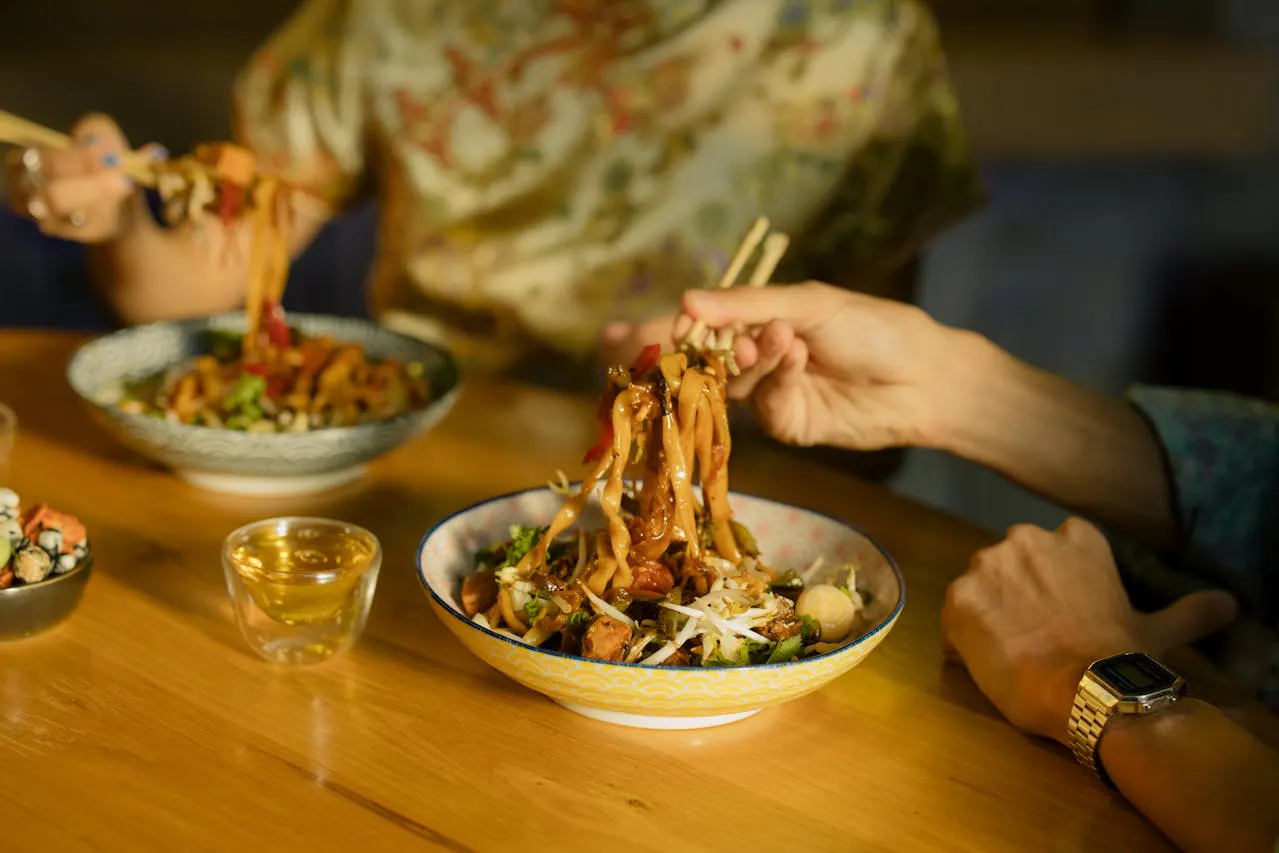
As the name may suggest, these noodles are made by hand, without the use of a machine, which is usually used to stretch dough out into thin noodles.
Lengths of dough are folded and twisted repeatedly which eventually splits the dough into thin, noodle strands! This process requires a great deal of skill and is often considered an art form, not merely a noodle-making method. Many chefs producing hand-pulled noodles will need to train for years before perfecting their skills.
Cooking these noodles to achieve the perfect texture requires another layer of skill. Popular dishes that use luxurious hand pulled noodles include Biang Biang noodles, which are belt-like, thick noodles served with hot oil and spicy sauce, along with Lanzhou lamian which incorporates thin noodles in a beef broth.
Eight Treasure Duck
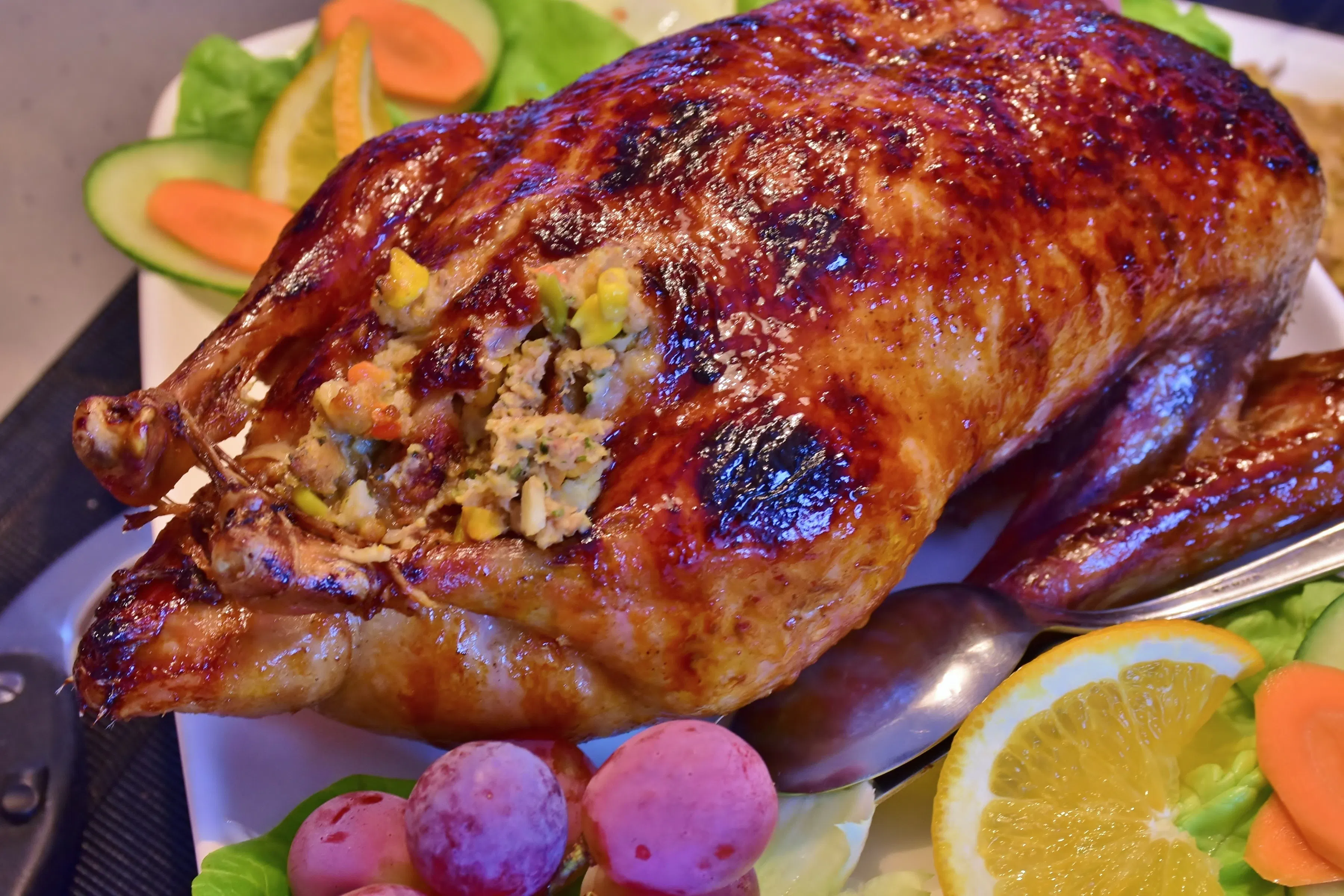
Another dish celebrated for its inclusion of many luxury ingredients, eight treasure duck is an elaborate speciality often reserved for special occasions like New Year celebrations.
The dish consists of a whole duck that must be skillfully de-boned while keeping the skin intact. It is then stuffed with the eight ‘treasures’, consisting of a range of ingredients that may vary depending on a particular region or family tradition.
Common treasures include things like glutinous rice, shrimp, mushrooms, scallops, nuts, red dates, roasted pork and bamboo shoots. After stuffing, the duck is steamed for up to 3 hours until the meat is succulent.
Peking Duck
Similarly, peking duck can be quite challenging to make, requiring a high level of technical skill and plenty of time to get the process right.
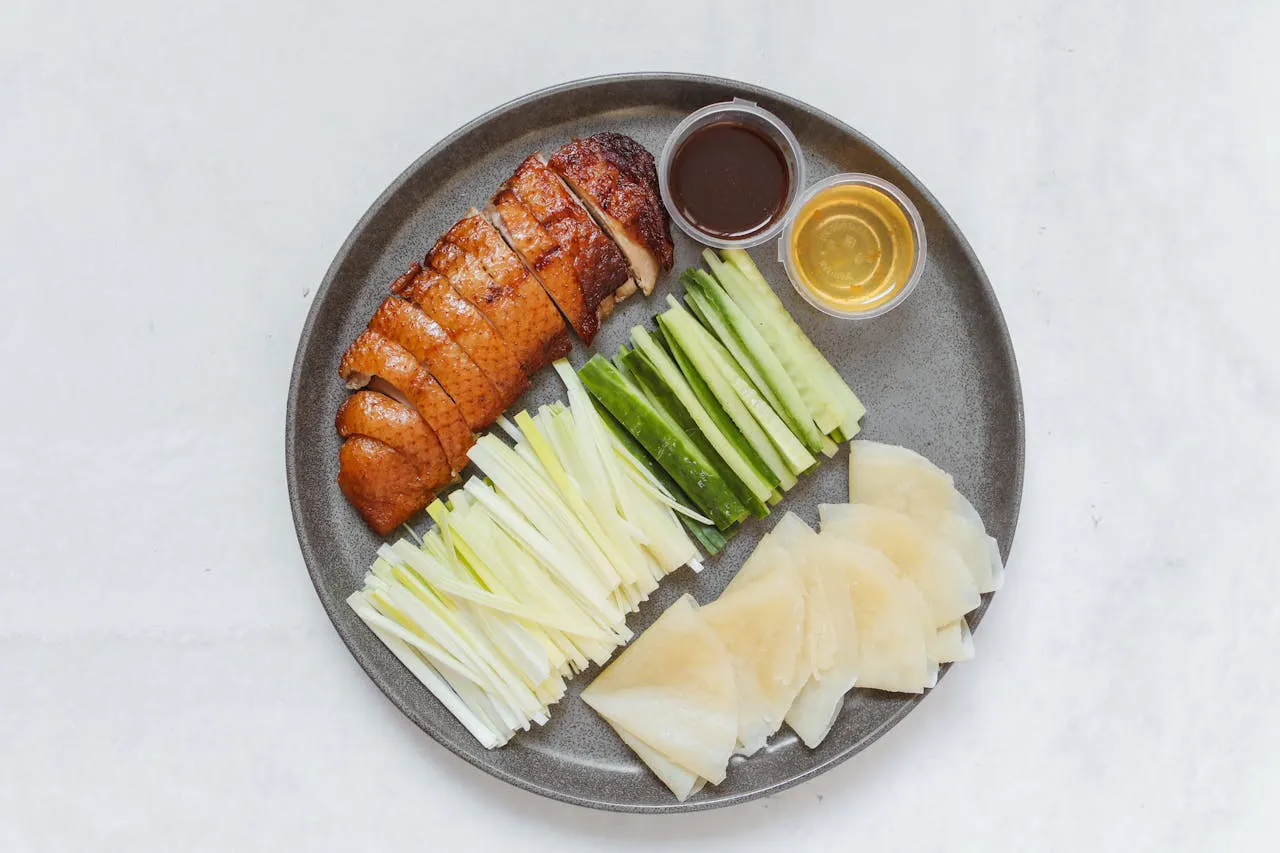
Perhaps one of China’s most well-known dishes, particularly in the west, peking duck is characterised by its crispy skin and tender meat, while being served alongside thin pancakes, hoisin sauce, cucumber and spring onion slices.
The challenge comes from inflating the skin to separate it from the fat layer, which provides that iconic crisply texture. Then, glazing and drying the duck can be very time intensive, potentially taking several days until it is ready.
Roasting is sometimes done in a specialist oven at very precise temperatures, adding another key detail that makes the overall process more complex. Getting the right balance of textures can take years to master.
Beggar’s Chicken
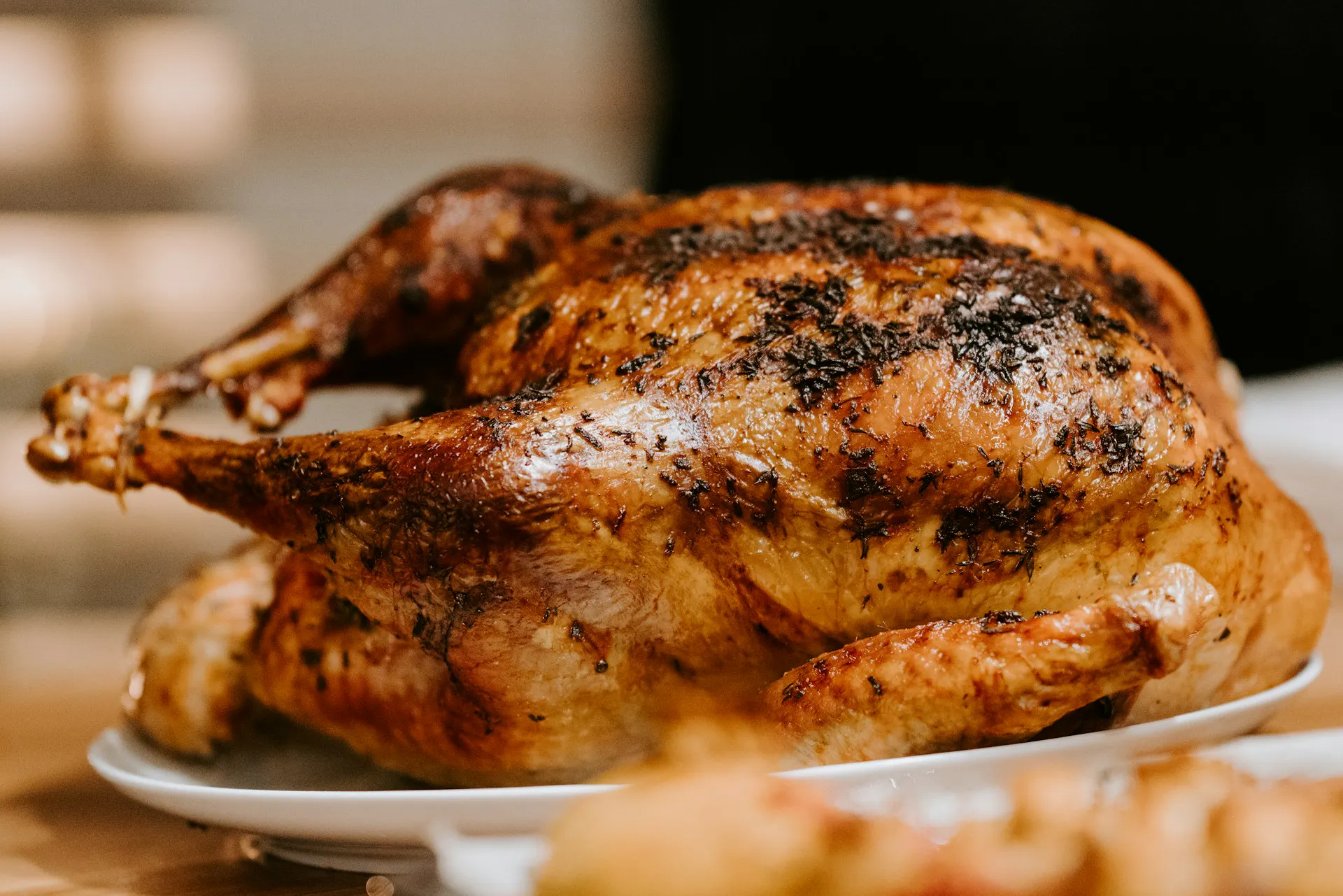
Beggar’s chicken is generally considered quite complex and labour-intensive. It involves a stuffed and wrapped chicken that is encased in clay to bake. The entire process can take up to 6 hours as it must be meticulously prepared beforehand and cooked over a long period of time to achieve a super succulent texture.
Before being covered in clay, the chicken is stuffed with rich, flavourful ingredients like mushrooms, chestnuts, pork and various spices and then wrapped in fragrant lotus leaves. Chefs must also take care when cooking this dish because if prepared incorrectly or cooked at too high a heat, pressure can build up in the clay shell.
The name of the dish comes from a legend about a hungry beggar who stole a chicken but had no way to cook it, so he wrapped it in mud and lotus leaves before cooking it in a fire pit in the ground.
This slow-cooking method has been used for centuries. These days, the clay is sometimes swapped out for dough or tin foil.
Century Eggs
Century eggs don’t take 100 years to make, but they do require a little more patience than regular egg dishes! While the technique is not too tricky, you will be waiting up to three months until this dish is ready.
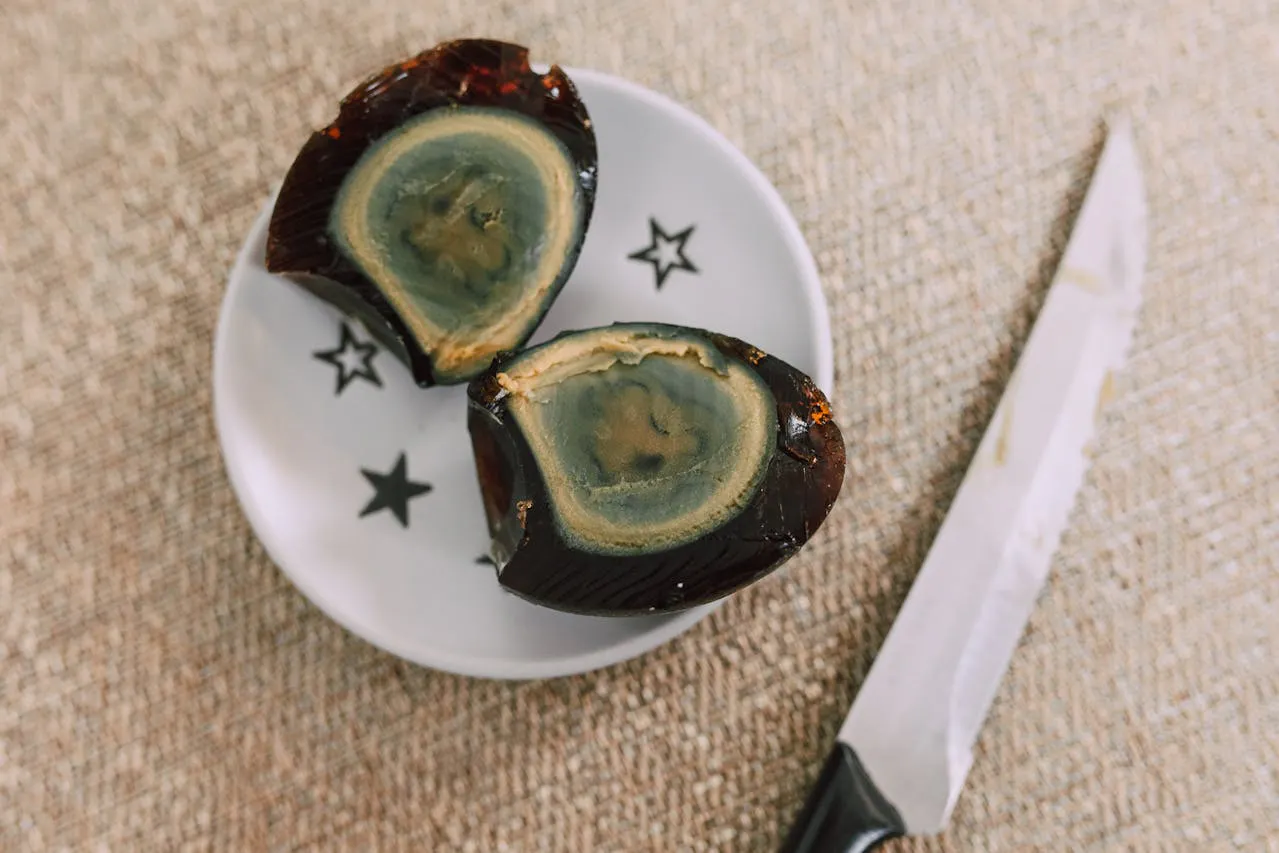
Century eggs are made by preserving duck, chicken or quail eggs in a mixture made from clay, ash, salt, quicklime (or other strong alkalines) and rice hulls. The curing process takes around 100 days, at which point the eggs will have turned a black and brown colour, with the white taking on a jelly-like texture and the yolk becoming creamy.
The curing process must be done exactly right, or else you risk the eggs becoming spoiled. Once ready, the eggs provide a pungent, umami taste and are often served with black vinegar, soy sauce, pickled ginger or tofu.
Xiao Long Bao
Also known as soup dumplings, xiao long bao are famed for their delicate, carefully folded wrappers that require a certain amount of technical skill to make.
A thin dough wrapper and gelatinous pork filling that melts into a soup when cooked means that getting the construction and balance of ingredients right is essential, or you risk the soup leaking out.
Folding any kind of dumpling requires skill and experience, but xiao long bao can be especially challenging as they require 18 exacting pleats to seal the top. This golden ratio of pleats helps ensure the dumpling is perfectly sealed and cooks evenly.
Whether you’re ready to take on the challenge of one of these dishes, or would rather stick to a simple stir fry, our Chinese online supermarket stocks plenty of specialist ingredients, authentic sauces and some great ready-made options to make your culinary adventures that bit easier!
this site uses cookies
We and our advertising partners use cookies on this site and around the web to improve your website experience and provide you with personalised advertising from this site and other advertisers. By clicking allow, you accept the placement and use of these cookies for these purposes. Learn More