




your cart
Your cart is empty.


General Articles
Guide to Dashi: What is it & How to Use it
Let's take a closer look at the distinctive Japanese soup stock dashi! It's a staple for many dishes that require a signature umami hit.
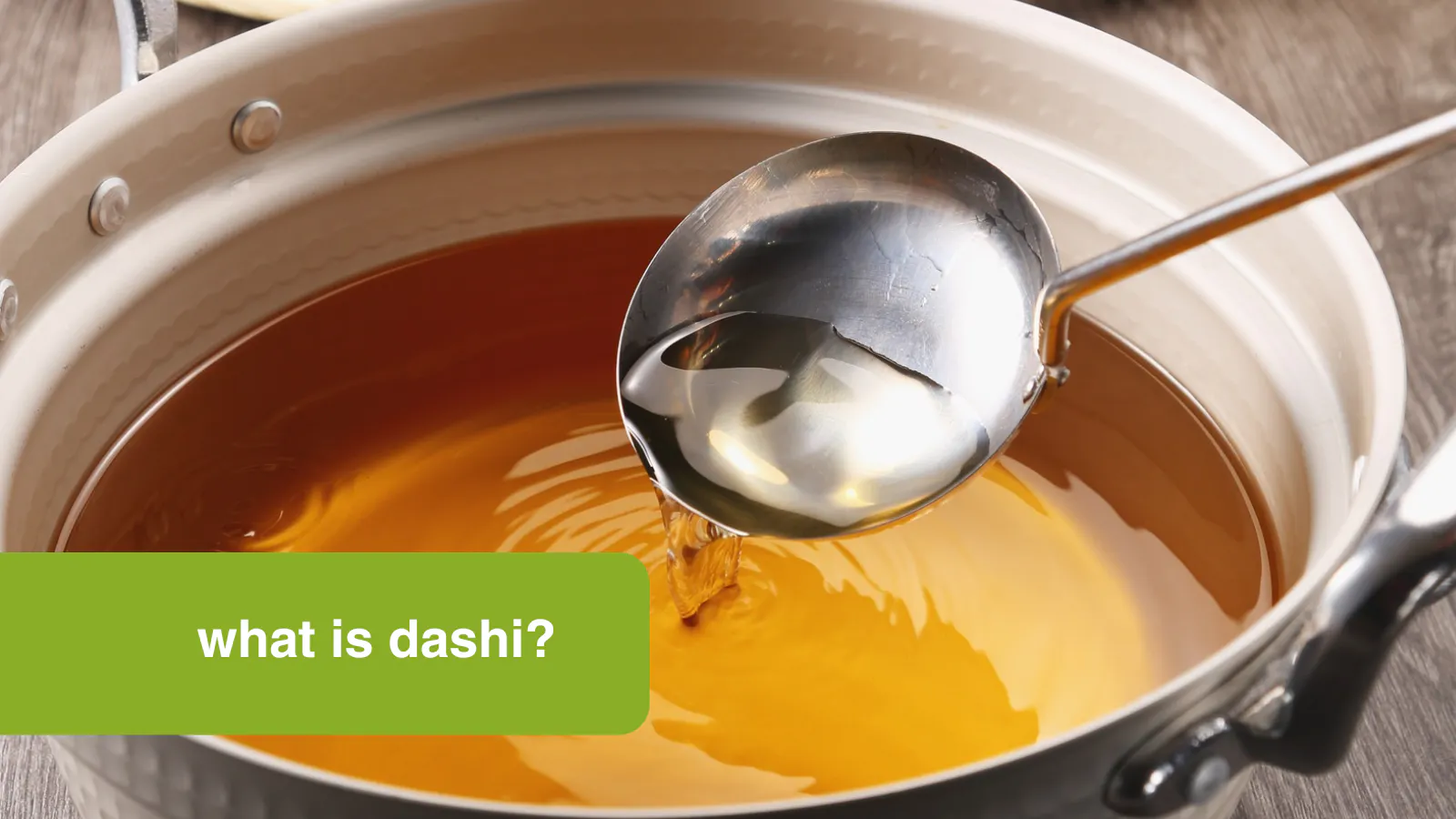
Dashi is one of the foundations of Japanese cooking, known for its rich umami flavour. Used in everything from miso soup and noodle dishes to sauces and hotpots, this simple stock adds depth without overpowering other ingredients.
But what exactly is dashi, what is it made from, and why is it such an important part of Japanese cuisine? In this guide, we take a closer look at dashi, its different varieties and how it is traditionally used in cooking.
What is Dashi?
Dashi is a simple Japanese stock used in countless traditional dishes. It is known for its deep savoury umami taste and is used widely as a flavouring ingredient.
What is Dashi Made From?
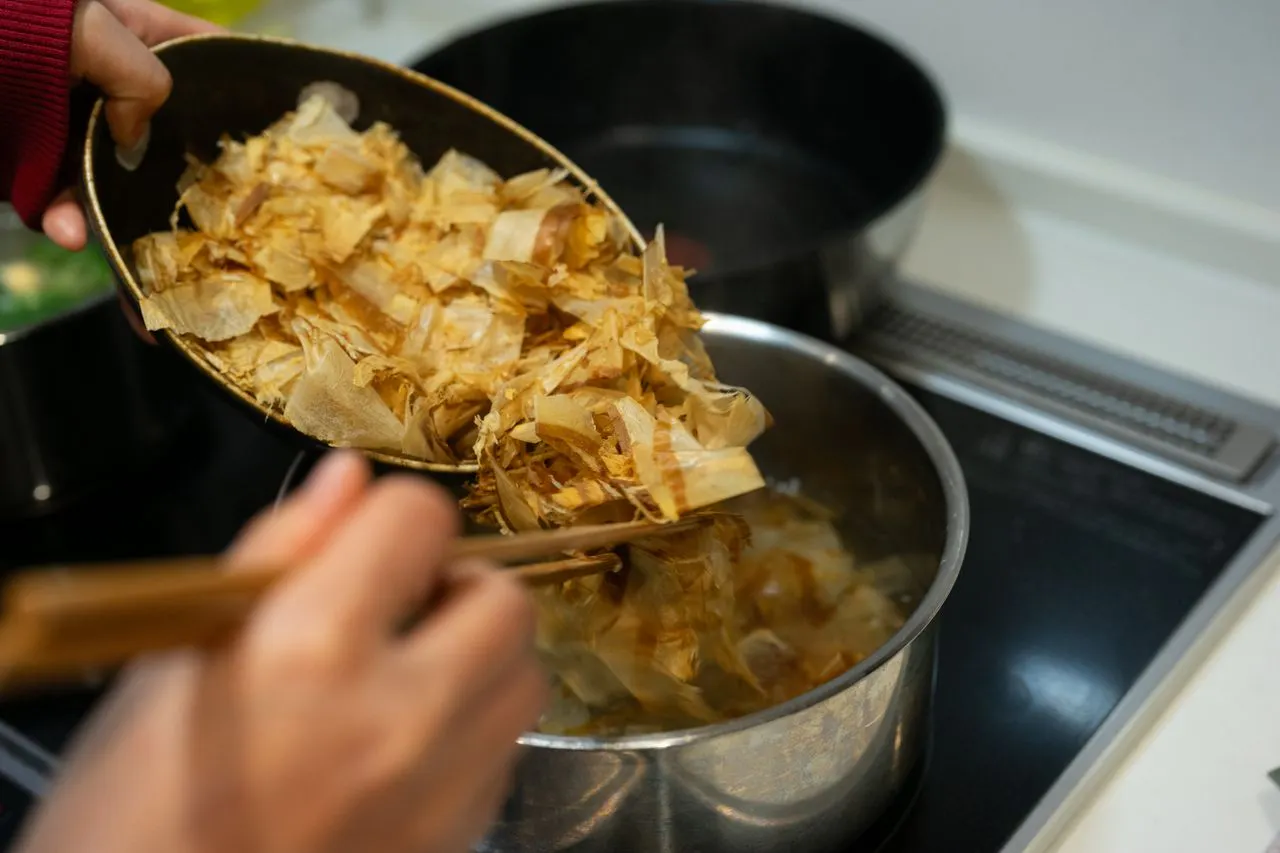
There are multiple different types of dashi, but some of the main ingredients are katsuobushi (smoked tuna flakes known as bonito flakes), kombu (edible kelp), iriko (dried sardines), and dried shiitake mushrooms.
How Is Dashi Used?
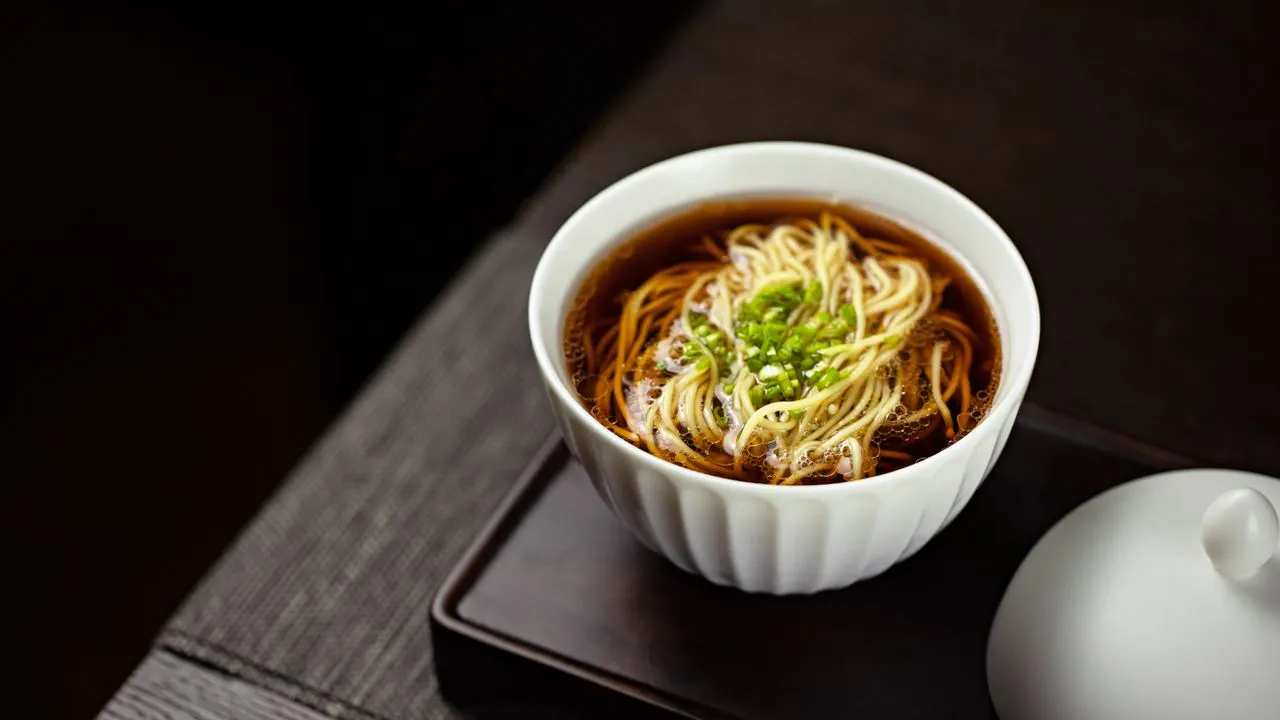
Dashi stock is at the centre of many of Japan’s most popular dishes, particularly as a base for soups and noodles. It can also be mixed with seasonings like miso or soy sauce in order to achieve a specific flavour.
What is Instant Dashi?
As with many traditional foods, there are now convenient instant versions, meaning you don’t have to make dashi from scratch if a recipe calls for it.
Instant dashi usually comes in a concentrated powder, like a regular stock cube, which is dissolved in water before use. You can also find sachet packets which are steeped like tea if you don’t have time to make it from scratch at home.

Is Dashi Vegetarian?
Traditional (awase) dashi is not vegetarian, as it includes dried fish flakes. It is suitable for pescatarians. Variations that do not include the fish flakes, like kombu and shiitake dashi, are naturally completely vegetarian.
Different Types of Dashi
There are five main types of dashi – awase, kombu, katsuo, niboshi, and shiitake – which differ in ingredients and flavour, and are suited to different types of food.
Awase
This is the traditional, standard variant of dashi referred to above. When ‘dashi’ is mentioned, it is usually this type. This type is best used in hearty dishes like miso soup, broths, and ramen.
Kombu
While awase dashi contains kombu, kombu dashi only uses this, without the katsuobushi. This type of dashi is milder, sweeter, and cleaner than awase dashi, and lacks the fish flavour, though the umami is still there. This type is best used in dishes like yudofu or vegetable dishes.
Katsuo
On the other side, you have katsui dashi, which only contains the katsuobushi fish flakes steeped in water. This type has a much stronger, savoury taste and is used in dishes where a more powerful taste is desired, like soba or egg dishes.
Niboshi
This kind of dashi is made from small dried anchovies or sardines. Due to its strong fish taste, it works best in hearty meals that require a strong flavour.
Shiitake
Made exclusively from rehydrated dried shiitake mushrooms, this type of dashi is vegan-friendly and has a deep, earthy umami flavour.
How Long Can You Keep Dashi Stock For?
Dashi stock can be kept for up to three days in the fridge if sealed properly, and up to three months in the freezer. If you are keeping it in the fridge, be sure to store it in a sealed tupperware container or jug.
Dashi loses its umami flavour quite quickly, even when stored properly, so it is past its best after the first couple of days being kept in the fridge.
Can You Make Dashi With Nori?
True dashi cannot be made with nori instead of kombu, as thin nori sheets lack the distinctive depth of flavour that kombu provides.
Switching out kombu for nori simply would not provide the same results, so using kombu seaweed is certainly recommended if you are making dashi from scratch!
Dashi may be a simple stock, but it plays an important role in Japanese cuisine. Whether you are making miso soup, ramen, udon or a homemade sauce, adding dashi is an easy way to bring authentic umami flavour to your cooking.
For more essentials, see our full range of authentic Japanese ingredients!
this site uses cookies
We and our advertising partners use cookies on this site and around the web to improve your website experience and provide you with personalised advertising from this site and other advertisers. By clicking allow, you accept the placement and use of these cookies for these purposes. Learn More