




your cart
Your cart is empty.


Recipes
General Articles
What is Miso Paste & How to Use it
Where would Japanese cuisine be without miso? We break down just how great this ingredient is!

Ever wondered what gives many classic Japanese dishes their rich umami depth? Chances are it’s miso paste! Miso is a fermented soybean paste that is used to season and enhance everything from soups to glazed veggies to baked goods. Here, we break down exactly what it is, the various types available and how you can get the most out of it in your own kitchen.
What is Miso Paste?
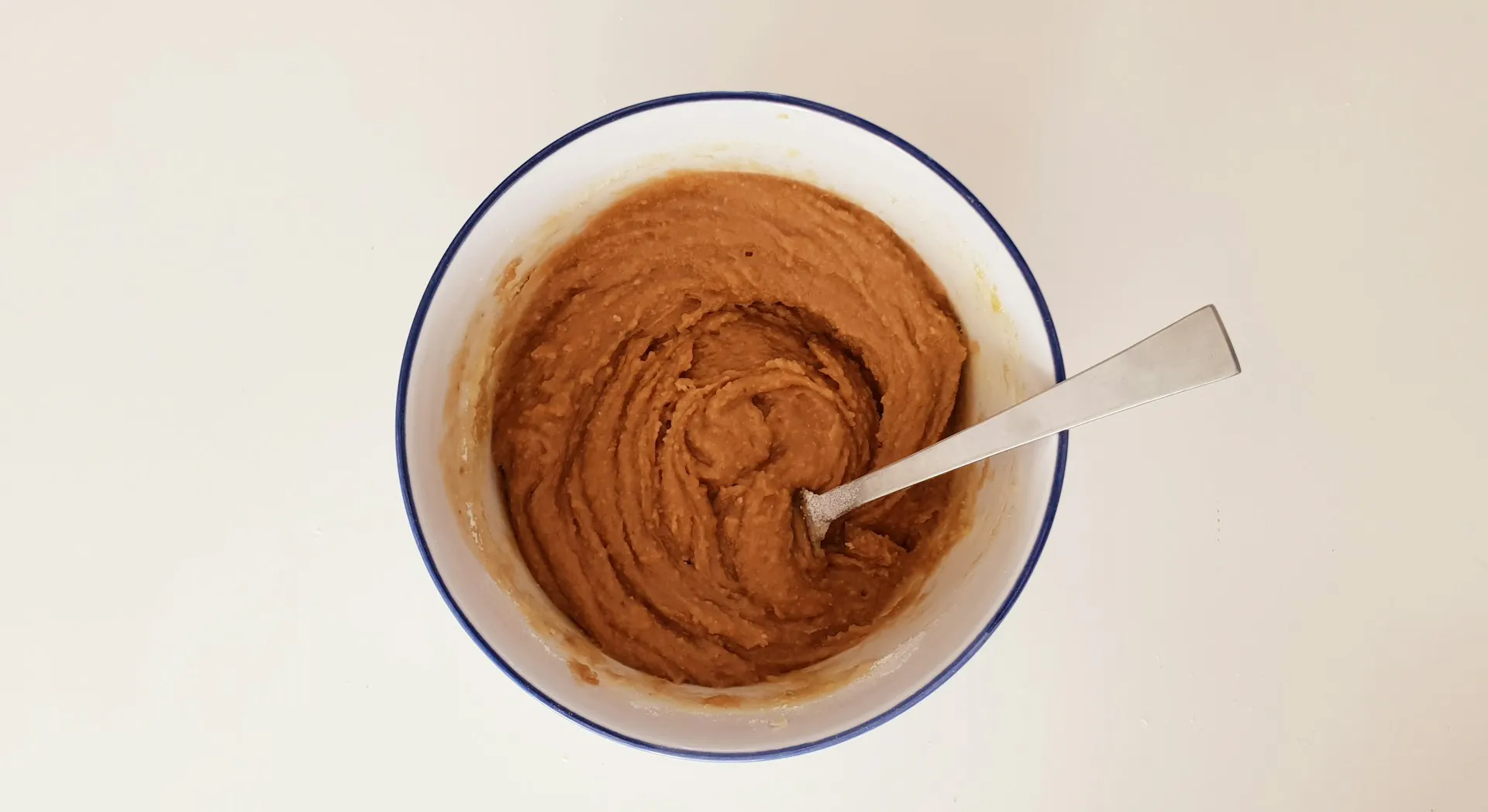
Miso paste is a staple Japanese ingredient used in all sorts of traditional dishes. Like soy sauce, it is an essential seasoning that adds rich umami depth to your recipes. It has a thick, almost peanut butter-like texture and can range in colour from pale beige to dark brown.
The origins of miso date back around 1,300 years, when it was adapted from an ancient Chinese recipe using fermented soybeans. Since then, it has become a cornerstone of Japanese cuisine.
What is Miso Paste Made Of?
The core ingredients of miso are fermented soybeans, koji and salt. Koji is a fermentation starter made from grains – usually rice, barley or soybeans – that has been introduced with Aspergillus oryzae mould.
The addition of koji and the resulting fermentation process helps give miso its distinctive flavour.
What Does Miso Taste Like?
Miso paste is beloved for its rich, sweet, salty and umami flavour. It has a complex savoury richness that adds instant depth and tang to your dishes. The exact flavour depends on how long it has been fermented.
Miso that has been fermented for the least amount of time tends to be paler in colour with a milder flavour that’s not as intensely savoury. On the other side, miso paste that has been fermented for longer is darker in colour and has a bolder, almost roasted flavour.
Different Types of Miso
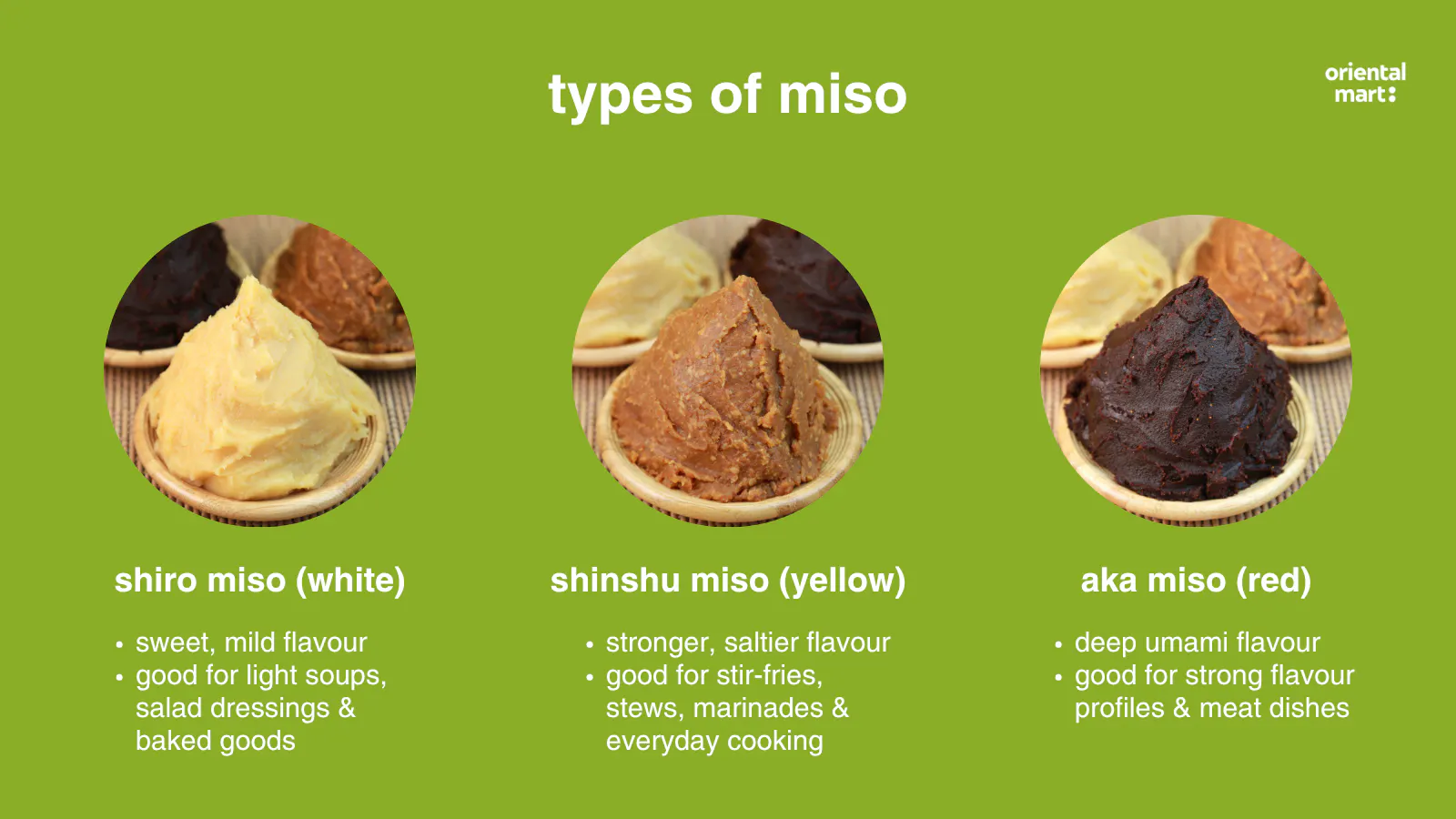
Miso comes in a wide range of varieties, each offering a distinct flavour profile, making them suitable for different uses.
Shiro Miso (White Miso)
Shiro miso is fermented for a shorter period than other miso types (typically just a few months), leaving it with a lighter colour than other varieties. It has a mild taste, with a hint of sweetness that makes it perfect for light soups, sauces, salad dressings and even baked goods. While known as white miso, it is more of a pale yellow colour.
Shinshu Miso (Yellow Miso)
Yellow miso is fermented a little longer – typically 6 months to a year. It’s a little bit stronger and saltier than white miso, making it a good everyday paste for adding to stir-fries, stews and marinades.
Aka Miso (Red Miso)
This miso, often made with a barley starter grain, has a dark red-brown hue. It may be fermented for 1-2 years, which allows it to develop a darker colour and richer flavour. It is a great option for meat dishes and those with stronger flavour profiles.
Awase Miso (Mixed Miso)
Awase miso is a mix of two or more types of miso, usually white and red. As it’s a mix, it has quite a balanced flavour, making it a good general-purpose miso for versatile cooking.
Miso can also vary quite a bit by region, ranging from sweet and aromatic to tangy and salty depending on where it's from.
- Kyoto: Sweet miso with a light flavour.
- Nagoya: Golden-yellow shinshu miso with a refreshing saltiness and rich umami flavour. This type makes up around half of the miso consumed in Japan.
- Sendai: Dark and rich miso with a bold, salty flavour and a well-balanced profile.
- Aichi: Very dark grain-less miso with an intense flavour that is aged for up to 3 years.
Is Miso Gluten Free?
Whether a miso paste is gluten-free or not will depend on the grain used in the fermentation starter. Soybean and rice koji are naturally gluten-free, but barley or wheat koji do contain gluten, which is worth bearing in mind.
Always look for a certified gluten-free label if you are unsure.
Is Miso Halal?
Most traditional miso is naturally halal, as the ingredients list is pretty simple. However, some may contain alcohol, so make sure to check the label on specific products.
Is Miso Vegan?
Miso paste is naturally vegan and vegetarian.
Bear in mind that one of the most popular miso-based dishes, miso soup, is not vegan or vegetarian, as dashi broth contains fish.
Does Miso Paste Go Bad?
Miso has a high salt content, so it will have a long shelf life if you store it properly. If kept in the fridge in a sealed jar, miso paste can last up to 3 years. If it starts smelling or tasting sour, or grows visible mould, it's a good indication that your miso is starting to spoil.
How Do You Use Miso Paste?
Miso is an incredibly versatile ingredient and can be used in a very wide range of dishes. Here are just a few of the most popular ways in which miso is used in Japanese cuisine.
Miso Soup
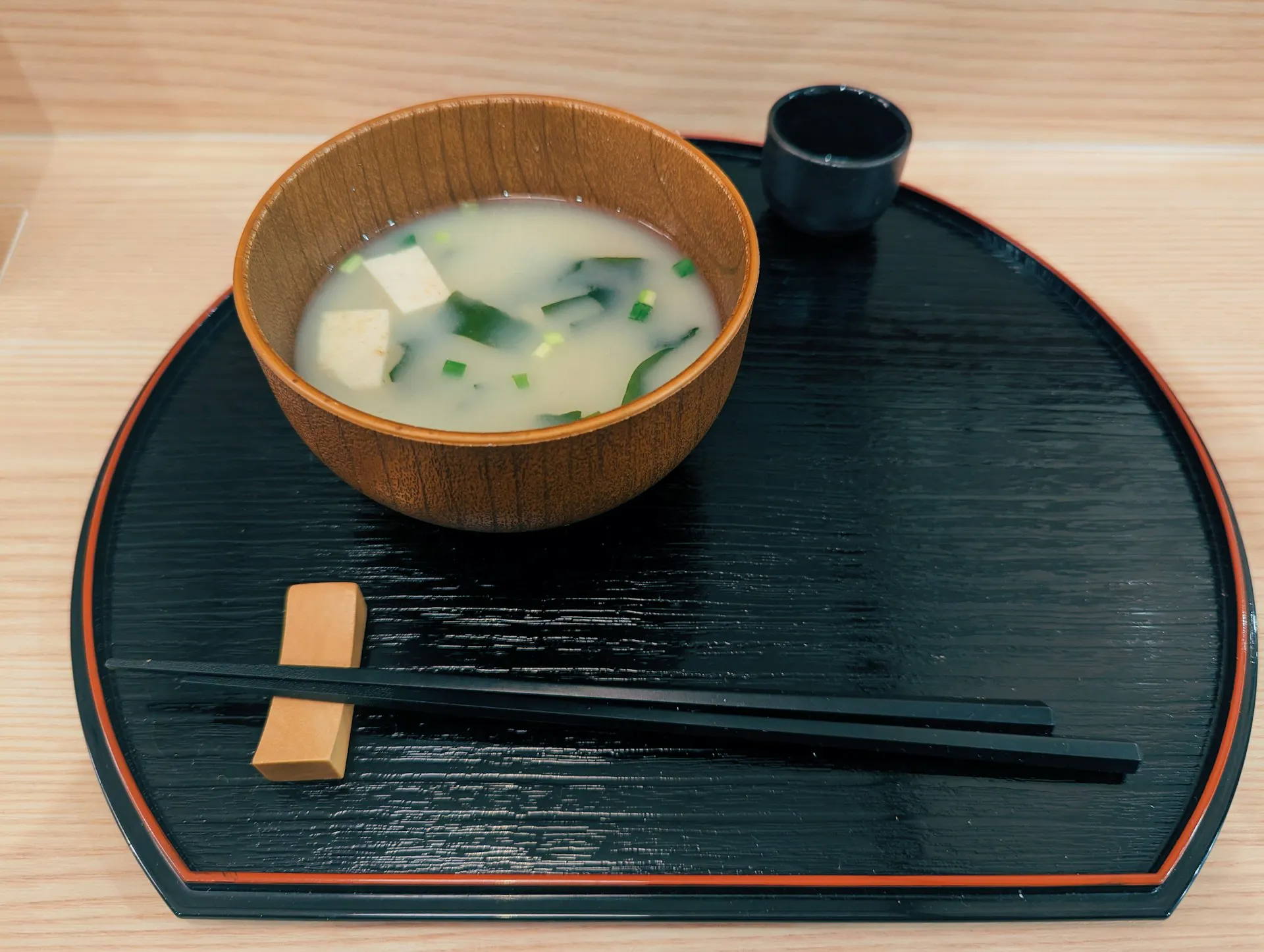
By far the most popular use for miso in Japan is as a key ingredient in the famous miso soup. A staple dish, miso soup is served alongside most meals in Japan, enjoyed as a snack and eaten as breakfast by many. A simple miso soup recipe includes a base of dashi broth and miso paste, topped with spring onions and tofu cubes. Miso can also be used as a base for other soups that need an umami hit.
Ramen
Miso ramen is another incredibly popular dish that combines a miso-based broth with tasty ramen noodles and an array of toppings. It is the ultimate comfort dish, serving as a tasty go-to meal that’s easy to prepare.
Pickles
Miso paste can also be used to make pickles. This method is called misozuke – the high salt content helps act as a preservative, as well as adding some extra flavour to the ingredients.
Sauces & Marinades
Miso is a great choice for marinades, sauces and glazes, as it adds a brilliant depth of flavour to your dishes. Similar to pairing wines with food, matching a miso type to a dish often comes down to the colour, with white miso primarily used for fish and seafood, while red miso is best for meats like beef. Miso paste combined with sake, mirin and sugar makes a simple yet flavourful sauce and glaze.
Salad Dressing & Dips
Simply watering down a spoon or two of miso paste with a bit of vinegar, honey and sesame oil can make a tasty no-fuss salad dressing or dipping sauce that packs in plenty of flavour.

Desserts
Miso is not just reserved for savoury dishes; it also works wonderfully in desserts. The rich, salty flavour adds a nice balance to sugary treats, bringing out sumptuous caramel hints. It makes a great addition to things like brownies, ice cream and cheesecake.
What Can I Use in Place of Miso Paste?
Miso is quite a unique ingredient, so if a recipe calls for it, you’re best using it rather than a substitute. However, in a pinch, you can use soy sauce or tamari to achieve a somewhat similar rich umami flavour. Tahini and extra salt can also help you up the savoury notes, while a strong vegetable stock can work as a decent alternative in soups.
Where to Buy Miso Paste
These days, miso paste is relatively easy to find in both mainstream supermarkets and specialist online stores. Here at our online Japanese supermarket, we stock a range of authentic Japanese miso pastes from leading brands such as Hikari and Hanamaruki.
Shop the selection now to boost your recipes and enjoy the great taste of miso!