




your cart
Your cart is empty.


Pho Noodles Vs Bun Noodles: What's the Difference?
Pho and bun noodles are both iconic types of Vietnamese rice noodles, but how do they differ? Here, we break down what sets them apart.

Pho and bun noodles are both popular Vietnamese noodles used in an array of tasty traditional dishes. While they might seem interchangeable, some subtle differences set them apart.
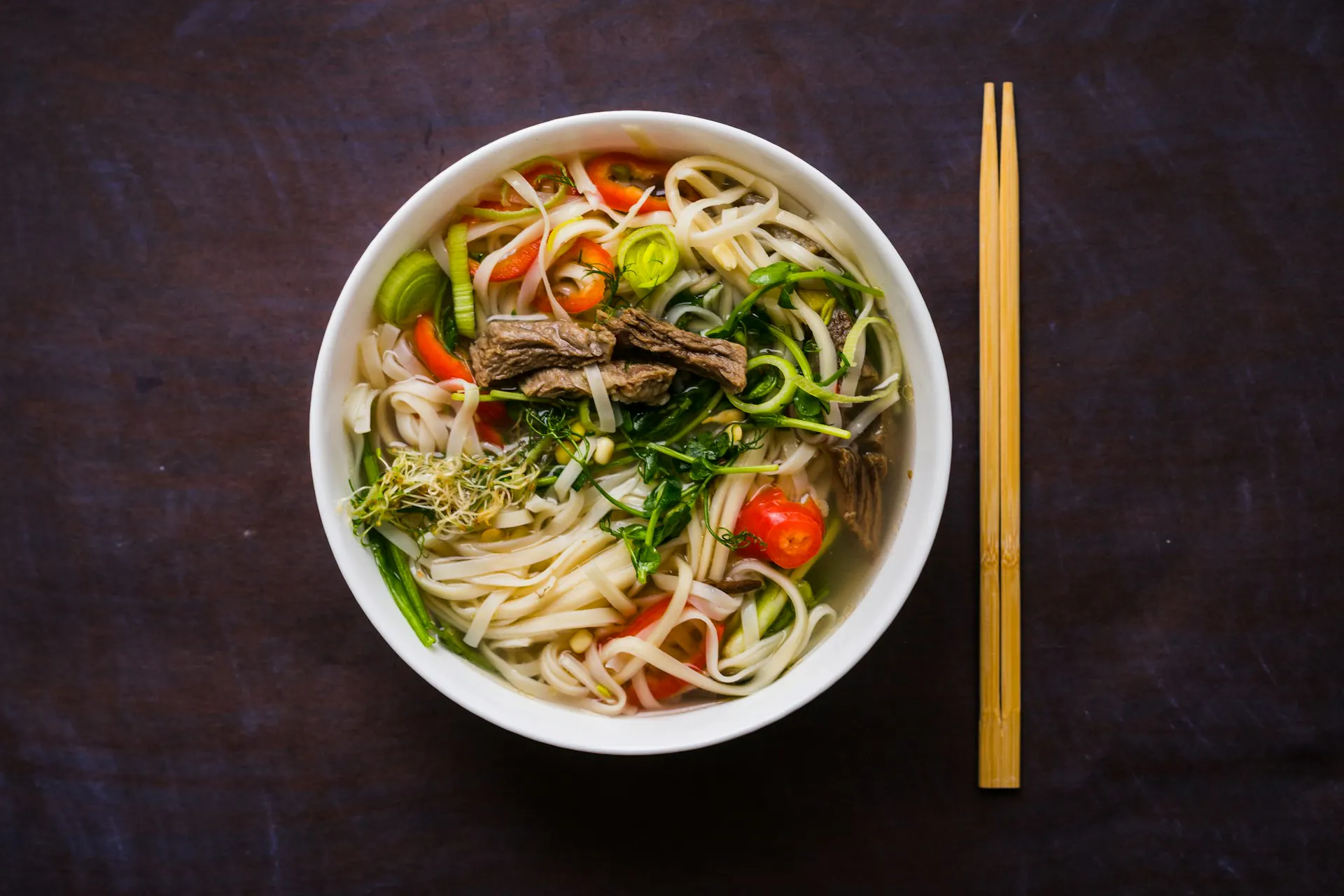
What are Pho Noodles?
Globally recognised pho is a Vietnamese noodle soup dish typically made with clear broth, rice noodles, meat (beef or chicken) and a garnish of fragrant herbs and seasoning.
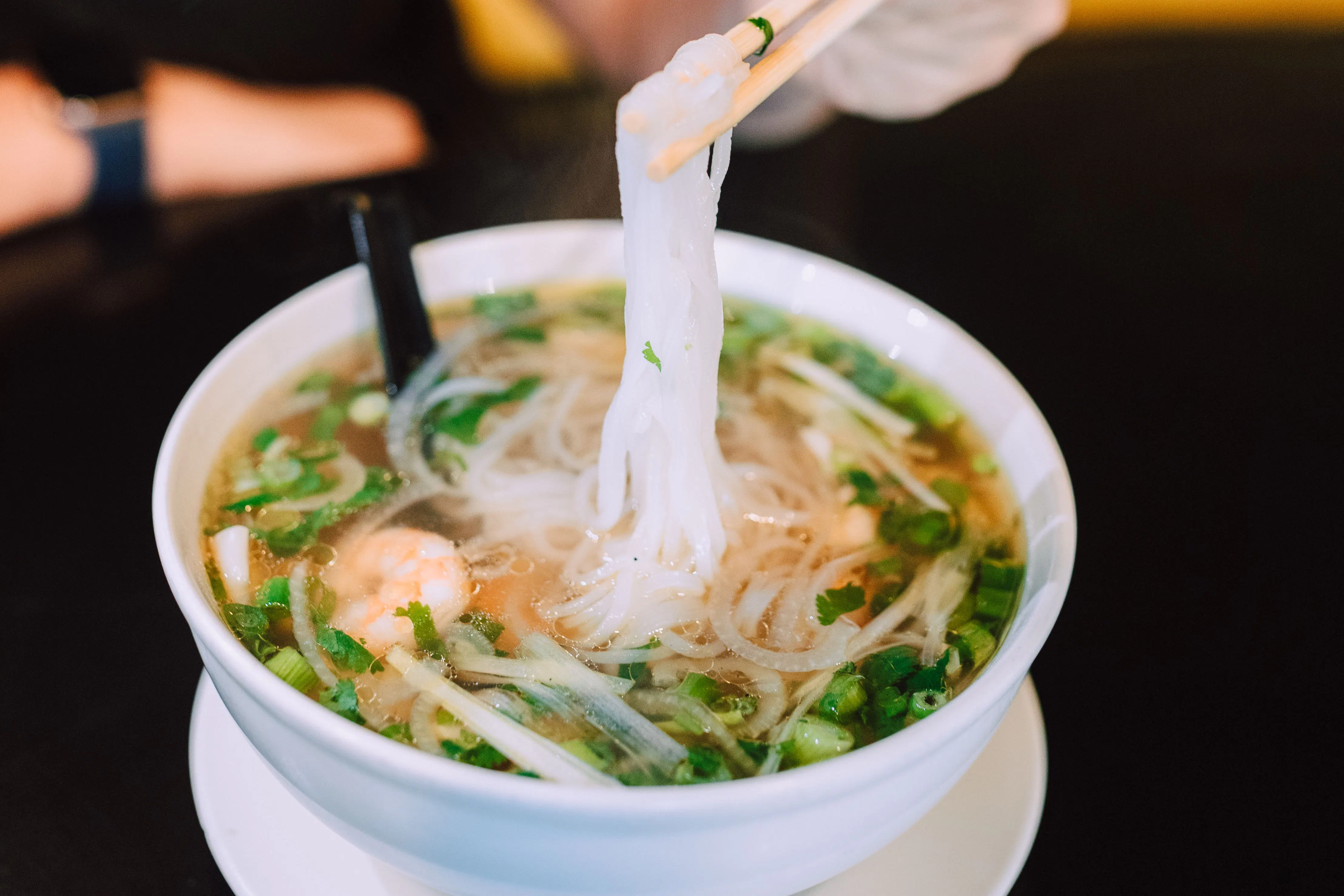
The noodles used in this iconic dish are flat rice sticks known as banh pho. Without banh pho noodles, the dish is not pho. The flat, square shape of the noodles is achieved by cutting larger rice sheets into thin strands. When cooked, the noodles are translucent and have a soft, chewy texture.
While pho noodles are most commonly used in pho, they may also be incorporated more broadly into things like stir-fries and salads.
What are Bun Noodles?
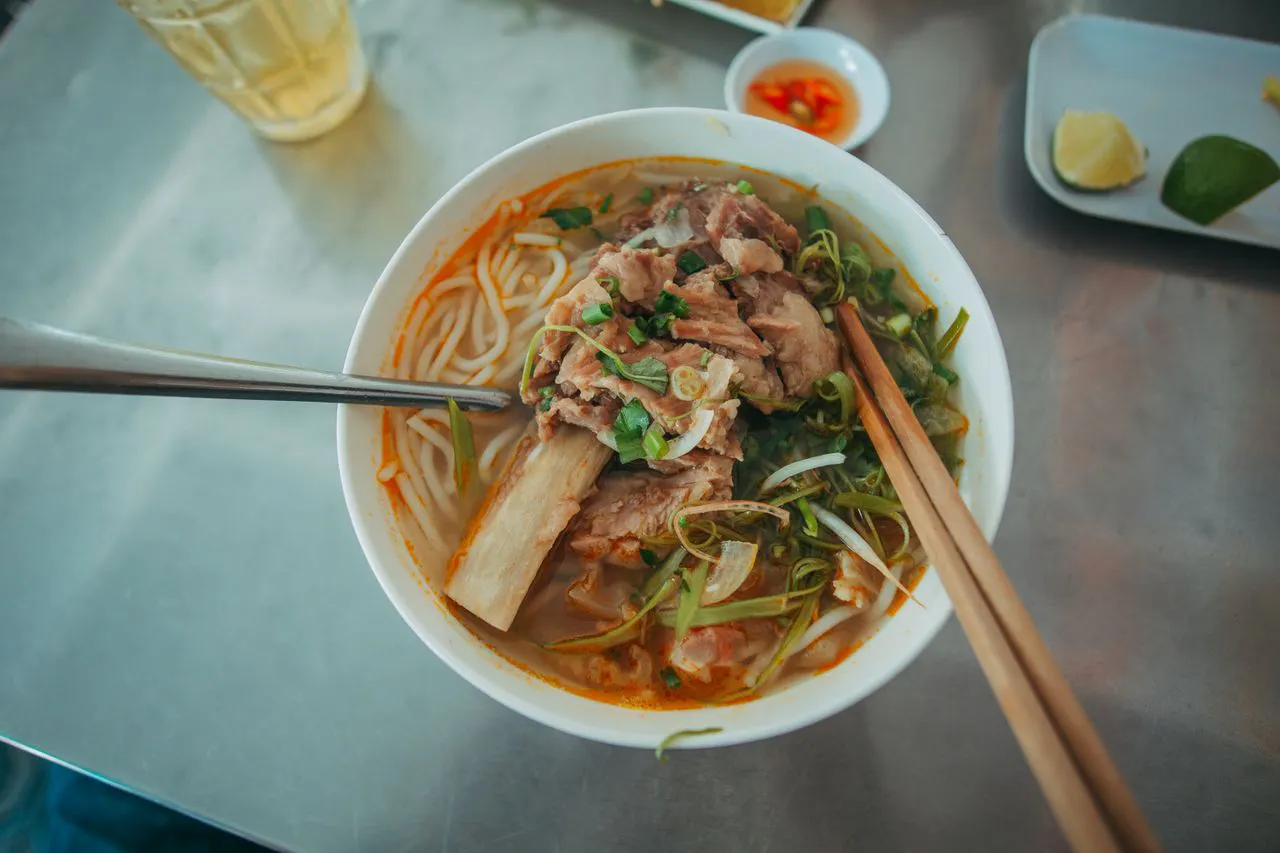
Pho is by no means the only popular Vietnamese noodle soup dish. Far from it. You will also find many bun noodle dishes, which vary widely. While pho describes a specific dish, bun refers to the noodles themselves, encompassing an array of dishes, from soups to salads. Bun bo hue, a meat-topped noodle soup often compared to pho, is one of the most popular bun dishes.
Bun noodles themselves are round vermicelli rice noodles, visually akin to thin spaghetti. Unlike flat banh pho, bun are cylindrical in shape. They provide a delicate, chewy texture and are suitable for use in a range of classic dishes.
Noodle Type
- Banh pho: Rice stick
- Bun: Rice vermicelli
Shape & Appearance
- Banh pho: Flat, ribbon-like noodles that are slightly translucent.
- Bun: Thin cylindrical spaghetti-like noodles that are more opaque/solid white.
How They’re Made
- Banh pho: Thin sheets of steamed rice batter are machine-cut into flat, rectangular noodles.
- Bun: Rice noodle dough is extruded through a mould to get the circular shape.
Cooking Method
- Banh pho: Soaked in hot water for a few minutes to soften (if using dried noodles) and then cooked in boiling water for up to 30 seconds.
- Bun: Cooked in boiling water for 5-10 minutes, depending on their thickness.
Dishes
- Banh pho: Most commonly used in pho noodle soup, although they may also be incorporated into stir-fries, salads and fusion dishes.
- Bun: Used in a wide variety of dishes, including noodle soups, salads and fresh summer rolls. Particularly popular bun dishes include bun bo hue, bun rieu, bun cha, bun thit nuong and plenty more.
Are Pho & Bun Noodles Gluten Free?
Traditional banh pho and bun noodles are both gluten-free because they are made from rice and water. However, when buying packet noodles, make sure to check the label for any other starches that may have been added.
Can You Use Vermicelli Noodles For Pho?
Pho noodles are an integral part of the dish, but in a pinch, yes, you can use vermicelli noodles as a substitute. However, once you swap out the noodles, the dish essentially stops being pho and becomes something more like bun ga. It’ll still taste great, but the texture will be different, and you wouldn’t technically be serving up pho.
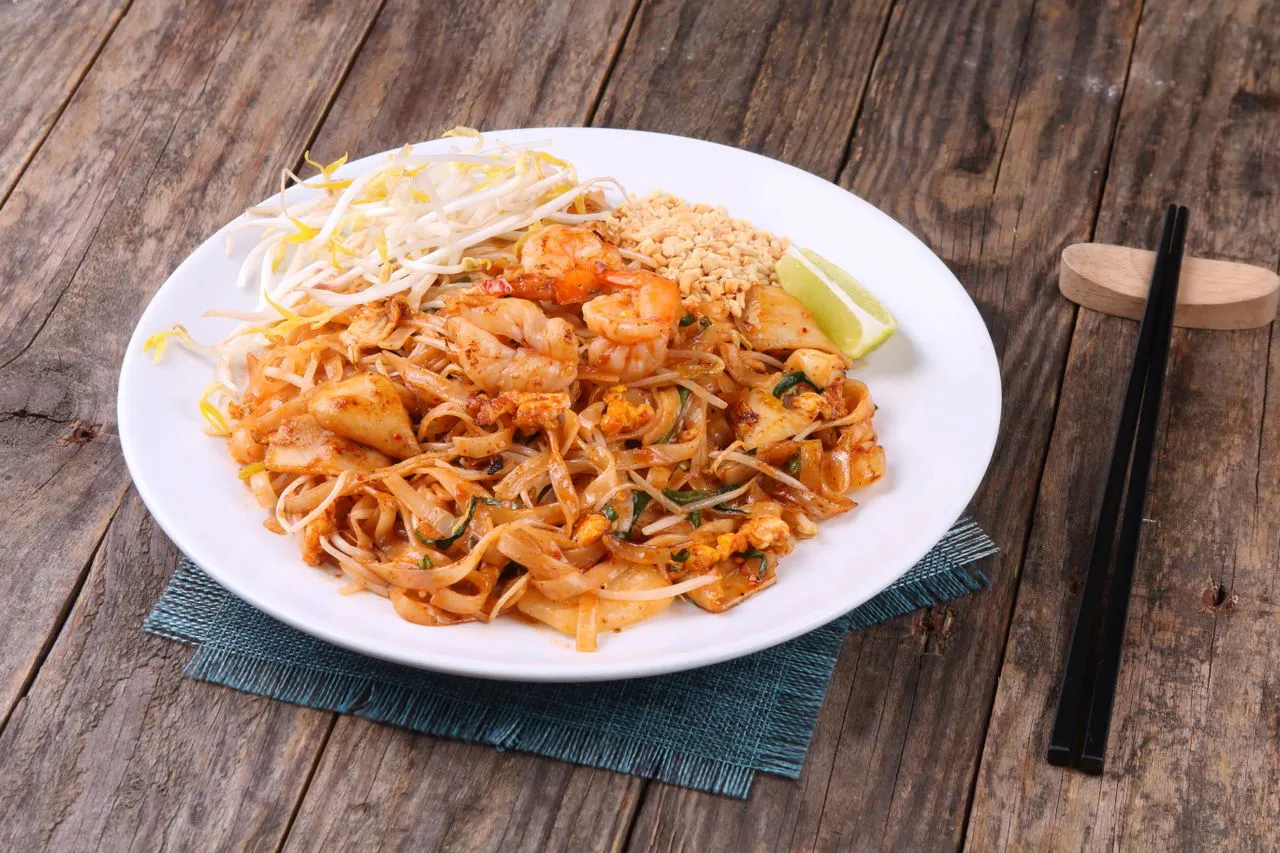
Can You Use Pho Noodles For Pad Thai?
Pad Thai also uses flat rice stick noodles, so banh pho can make a decent substitute. Some banh pho may be more delicate than wider pad Thai noodles, so just be aware of that when you’re cooking them.
It’s definitely worth sticking with real banh pho for the best pho experience!
Interested in enjoying Vietnamese cuisine at home? Check out our range of rice noodles and other authentic Vietnamese ingredients to stock up on everything you need!
this site uses cookies
We and our advertising partners use cookies on this site and around the web to improve your website experience and provide you with personalised advertising from this site and other advertisers. By clicking allow, you accept the placement and use of these cookies for these purposes. Learn More