




your cart
Your cart is empty.


General Articles
Recipes
8 Japanese Winter & Christmas Desserts
Get in the festive spirit with these popular seasonal desserts from Japan. From traditional flavours to fusion favourites, there’s plenty to explore.

While Christmas isn’t a national holiday in Japan, many people still like to celebrate the festive period. As with most celebrations, food is usually a big part of the proceedings, with friends and couples meeting for special meals and giving tasty treats as gifts.
Discover some of the best Japanese winter treats, offering traditional flavours and delicious bites perfect for adding a bit of cheer to the winter months!
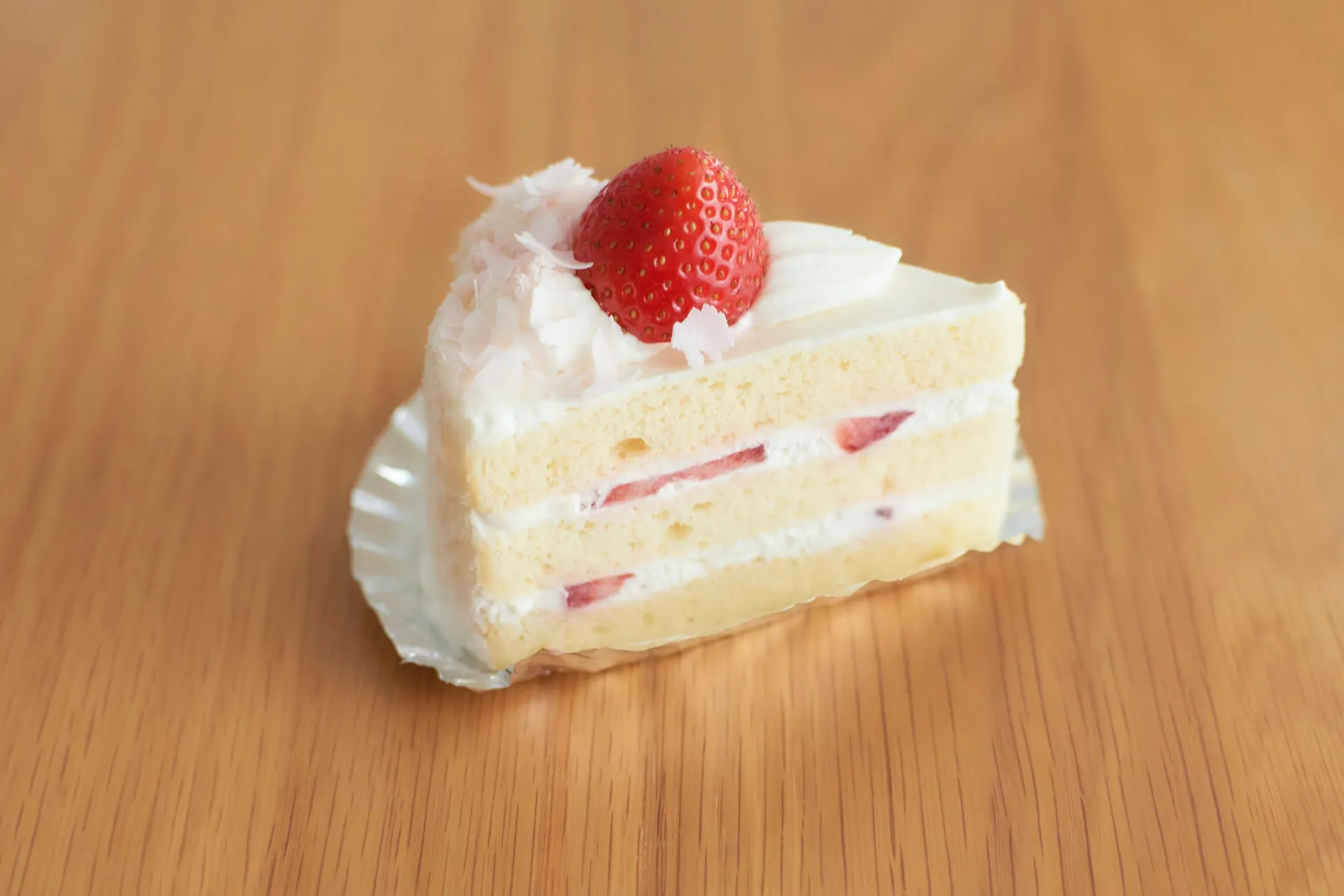
Japanese Christmas Cake
Kurisumasu Keki is perhaps one of the most recognisable Christmas foods enjoyed in Japan – apart from KFC! Rather than the dried fruit-laden Christmas cake we’re familiar with in the UK, a Japanese cake offers a light Victoria sponge, whipped cream and fresh strawberries.
The elegant look of the cake and the red and white colour palette give it a distinctly festive feel. Historically, it is also associated with luxury, making it the perfect indulgence for commercial Christmas celebrations.
Want to make your own this year? Check out our easy Japanese Christmas cake recipe.
Yuzu Flavoured Desserts
Between November and January is peak time for yuzu, the Japanese citrus. The fruit is used to flavour an incredible assortment of sweet treats, including tea, cakes and yokan (a traditional jelly cake).
Some stores and bakeries take this one step further, making mini yuzu-shaped cake bites or flavouring more delicate desserts like macaroons and puff pastries.

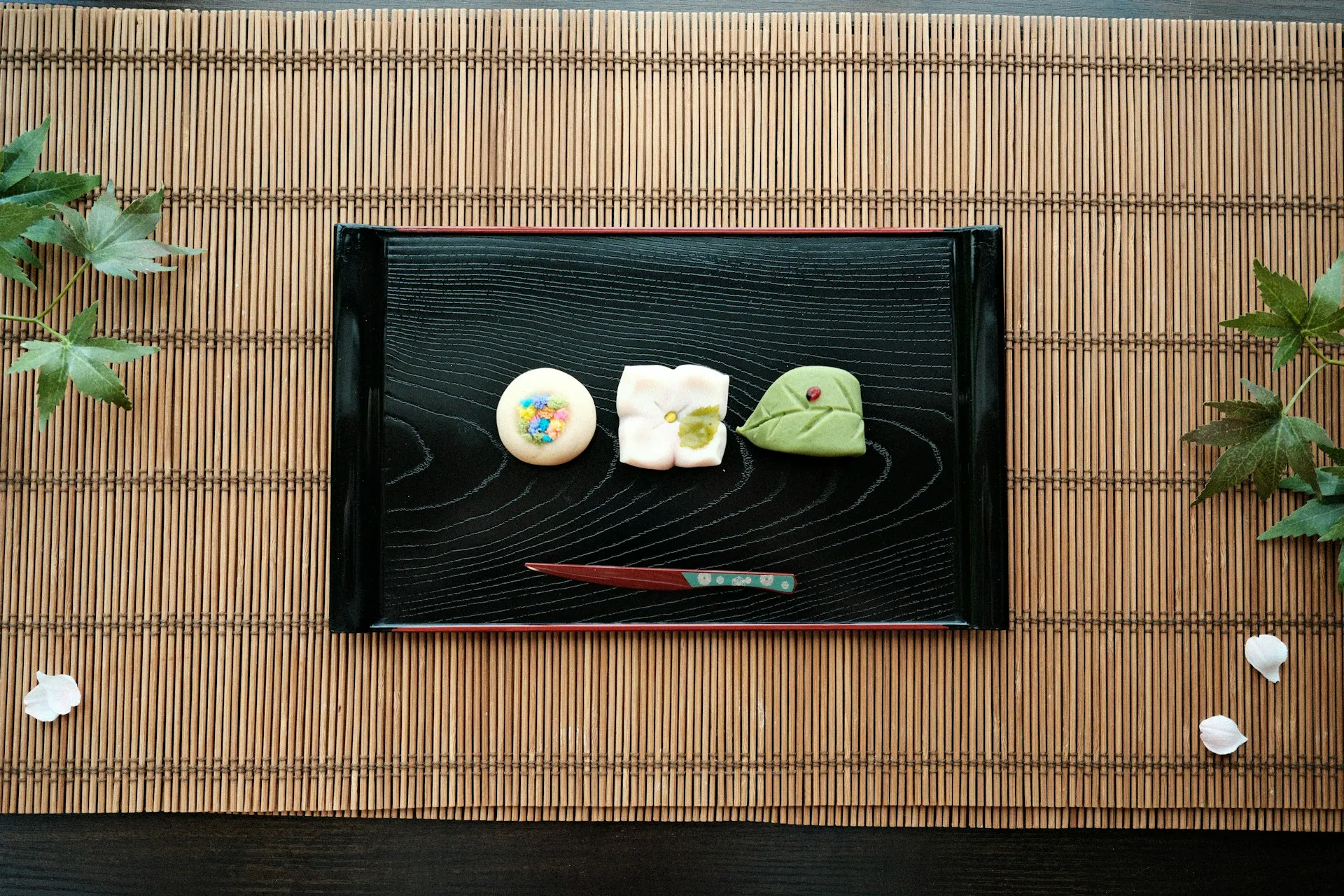
Christmas Wagashi
Wagashi is the umbrella term for traditional Japanese confectionery made with things like red bean paste, mochi and agar. The bites can come in all sorts of intricate shapes and designs and often have an emphasis on seasonality, meaning winter and Christmas-themed wagashi are not an uncommon sight.
Christmas wagashi may come in cute, festive designs such as Christmas trees and cheery Santa faces, as well as featuring wintry flavours like yuzu, chestnut, strawberry, sweet potato and plum.
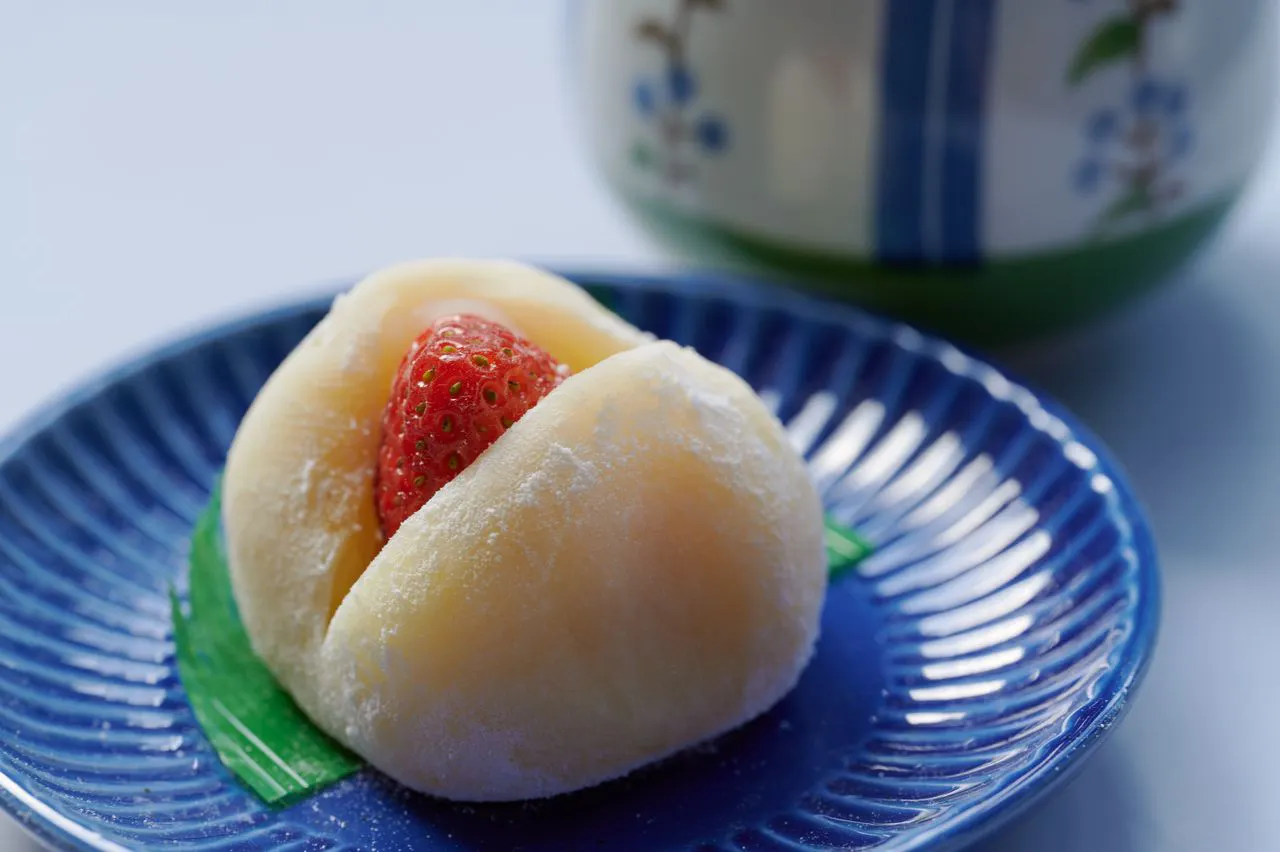
Ichigo Daifuku
Daifuku are simply filled mochi – when most people think of mochi, it is probably a variety of daifuku. Ichigo daifuku, or strawberry mochi, is one of the most popular kinds, involving mochi dough with a filling of red bean paste and a whole strawberry.
While they are popular all year round, ichigo daifuku are particularly prevalent from late winter to spring.
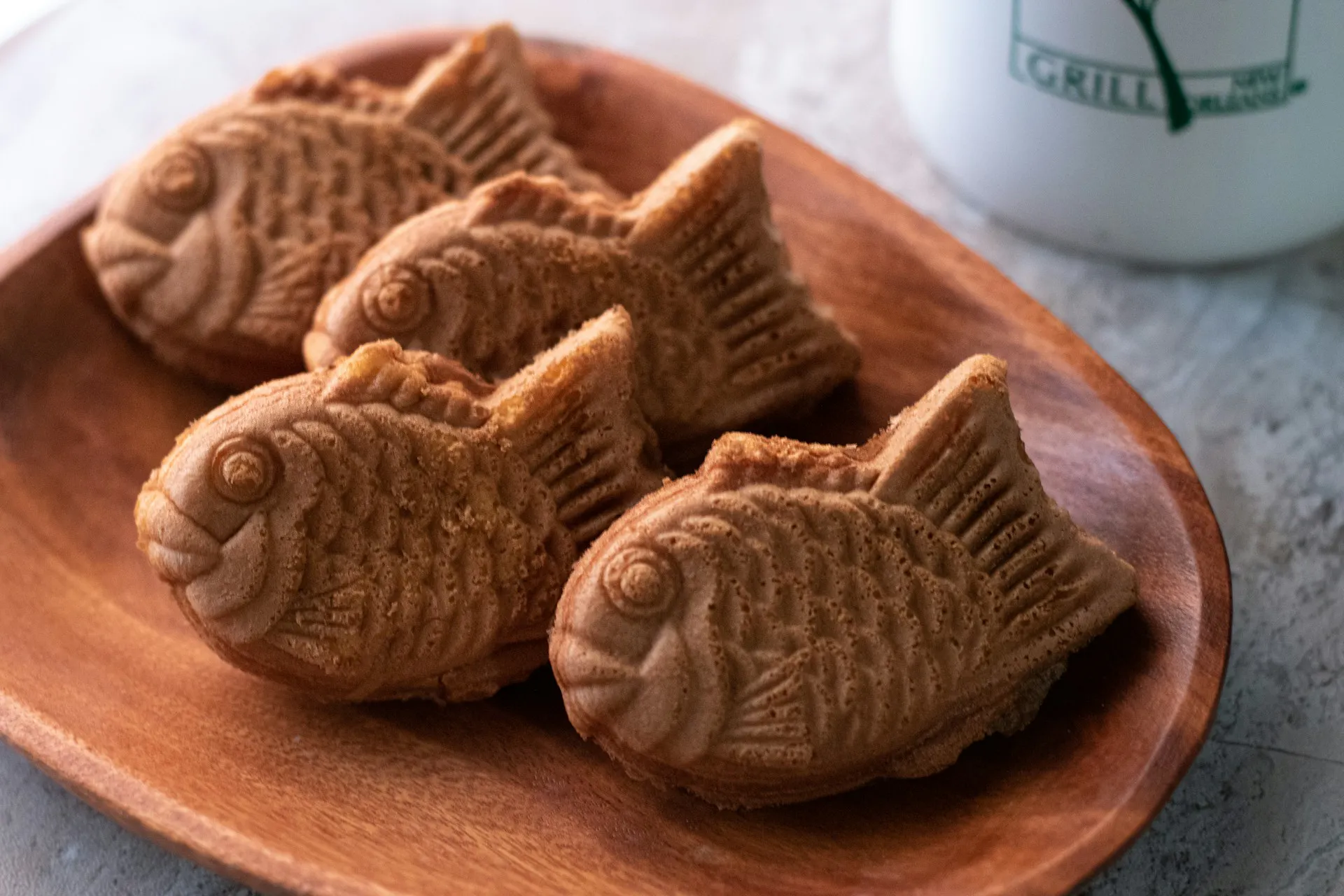
Taiyaki
Taiyaki are a classic winter snack. The iconic fish-shaped cakes are made from waffle-like batter and various fillings are sold by street food vendors freshly made and warm.
The ultimate comfort food, the sumptuous warm cakes are a great toasty snack to hold when exploring Christmas markets and fairs. Many vendors and stores may also offer seasonal and winter-themed taiyaki fillings such as sweet potato, chocolate and chestnut.
Mont Blanc
As well as traditional Japanese treats, you’ll also find plenty of other global desserts with a distinctive Japanese twist. Mont Blanc is one of Japan’s most popular desserts from Europe.
The Japanese version of this originally French pastry consists of a sponge cake base, chestnut cream and piped strings of spaghetti-like chestnut puree. It is an essential winter dessert, making a lovely festive treat.

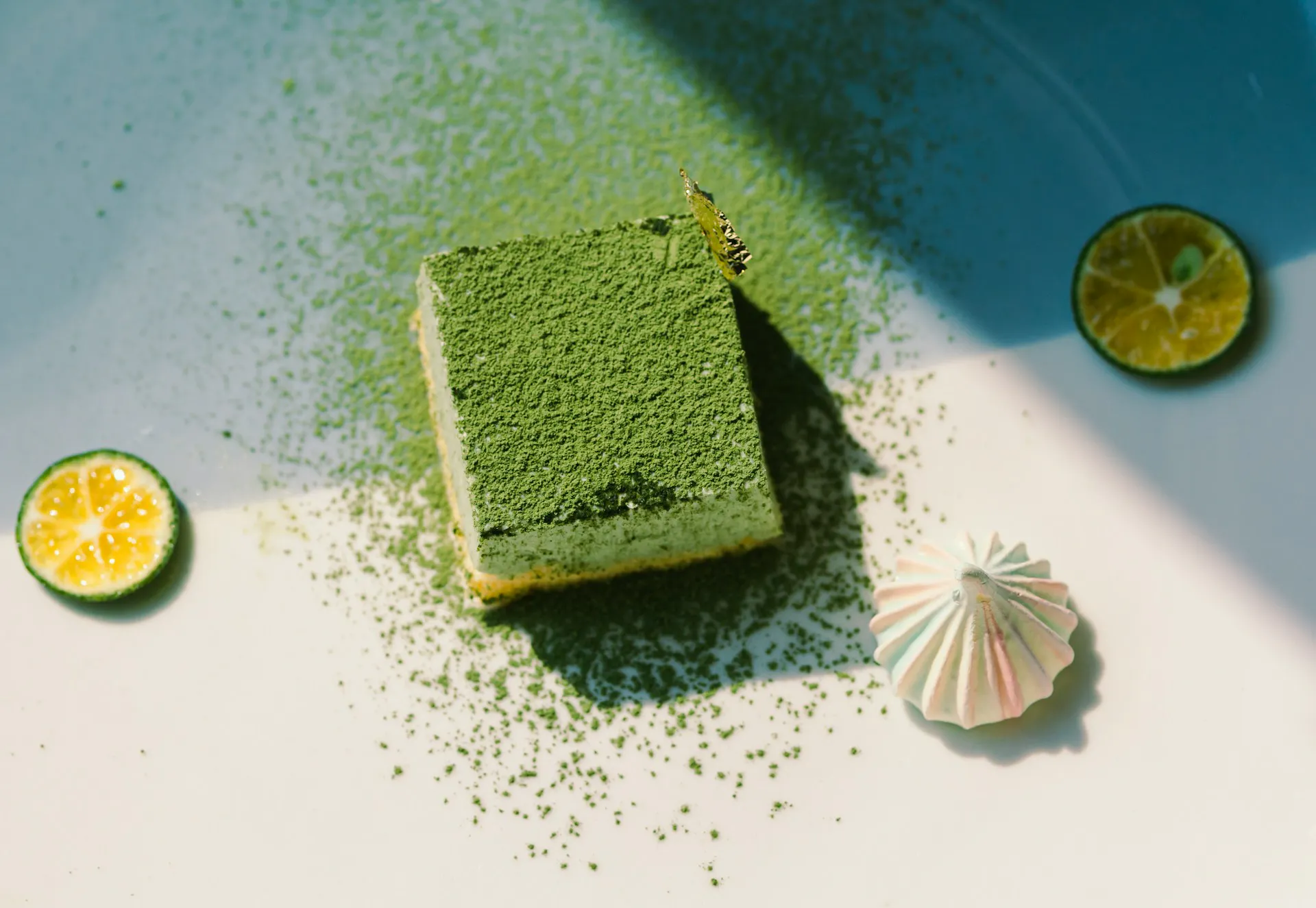
Matcha Tiramisu
Another Japanese twist on a European classic, matcha tiramisu takes the indulgent cream and sponge dessert and swaps the typical espresso and chocolate flavours for matcha green tea.
While not as traditional as the strawberry Christmas cake in Japan itself, the rich and vibrant dessert makes for a brilliant festive treat, ideal if you want to enjoy distinctive Japanese flavours in a new way.
Oshiruko
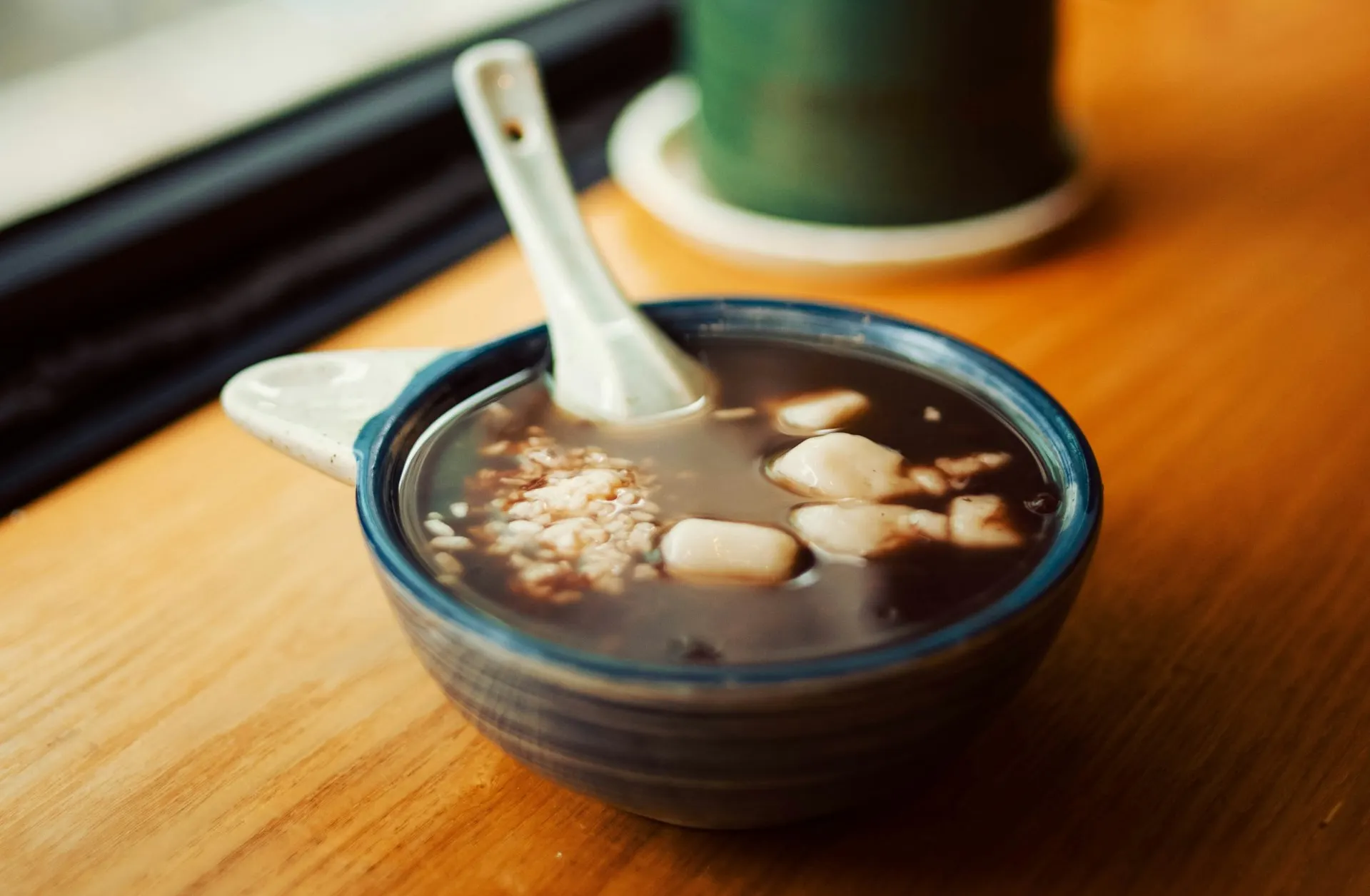
Oshiruko is a traditional Japanese sweet soup made with azuki beans and mochi. It is warming, comforting and sweet – the perfect winter indulgence if you’d rather go for heartier, earthier flavours over something overly rich.
Some forms of oshikuro will use smooth red bean paste while others include the chunky beans themselves. The dish is heavily associated with the winter period and New Year’s in particular, as there is a tradition of using the decorative kagami mochi in the red bean soup to wish for good health for the coming year.
Want to enjoy authentic Japanese flavours and treats this season? Check out our online Japanese supermarket, full of sweet snacks, dessert ingredients and plenty more.
For an extra special foodie Christmas, explore our range of gift ideas.
