




your cart
Your cart is empty.


What is Mala? All About the Chinese Numbing Spice
Discover what the Chinese numbing spice mala is all about, including inspiration for some tasty dishes that use it.
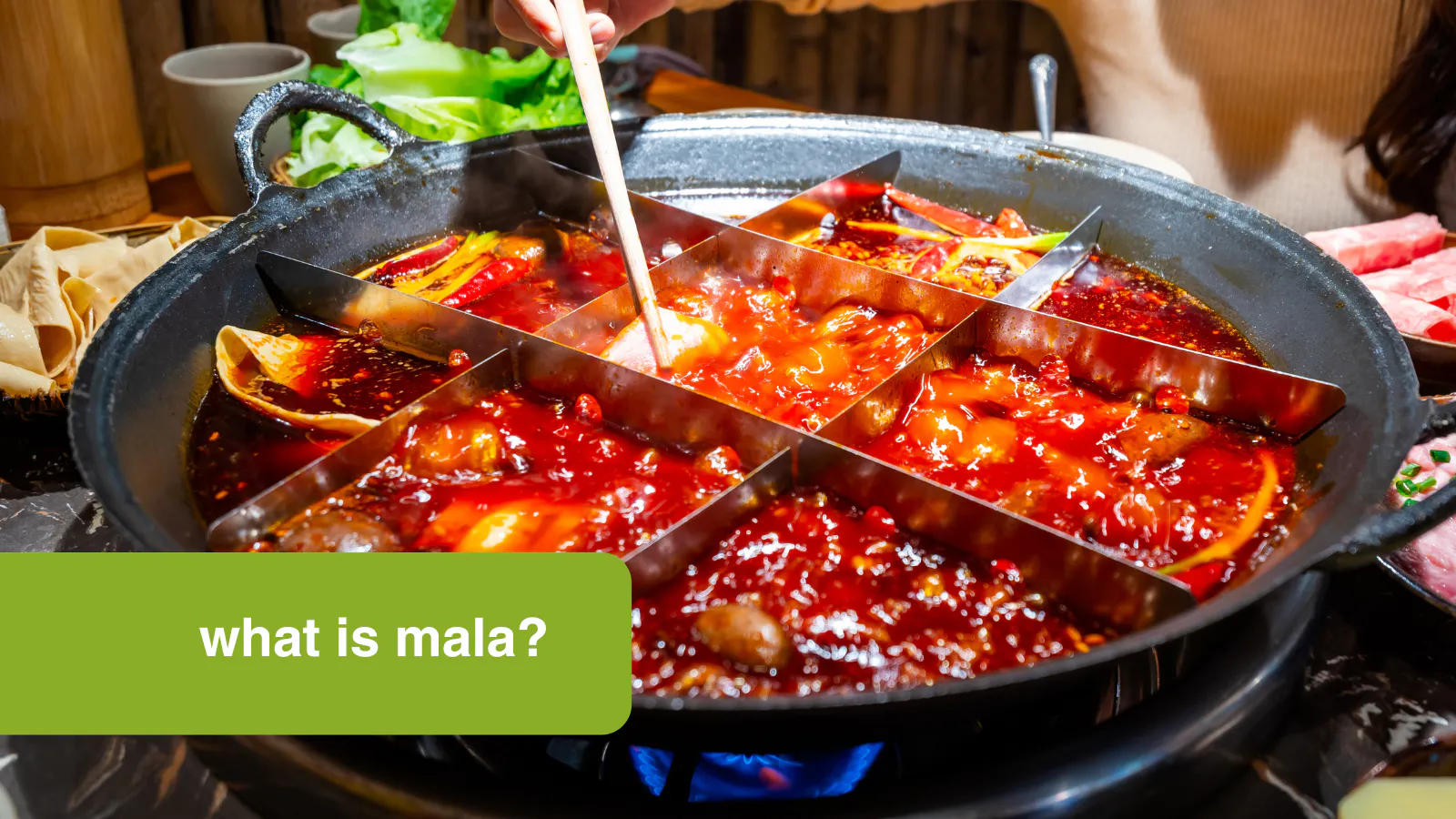
If you’ve ever had Sichuan cuisine, chances are, you’ll be familiar with the spicy numbing sensation of mala. It's a particularly popular feature in dishes from this region, offering a different experience to the kind of spice you get with chilli-based seasoning.
If you love food with a kick, you’ll definitely want to know all about mala!
What is Mala Spice?
Mala is a spice mix used to give dishes a powerful punch. The term mala derives from the Chinese words ‘ma’, which means numbing and ‘la’, which means spicy, hinting at the unique mouth-tingling sensation you get when you eat it.
Is Mala Spicy?
Yes, mala can be described as spicy, but not in quite the same way chillies are. The spiciness is combined with a tingling feeling thanks to its key ingredient.
About Sichuan Peppercorns
Mala seasoning is primarily made up of Sichuan peppercorns, which actually come from the dried berry husks of the prickly ash tree. They are members of the citrus family, rather than being related to true peppercorns or peppers.
Sichuan peppercorns do not contain capsaicin, which is the compound in chillies that causes their spiciness and the sensation of burning heat. Instead, Sichuan peppercorns contain something called hydroxy-α-sanshool, which is responsible for the signature numbing and tingly sensation known broadly as paraesthesia (also used to describe when you get ‘pins and needles’).
Mala Ingredients
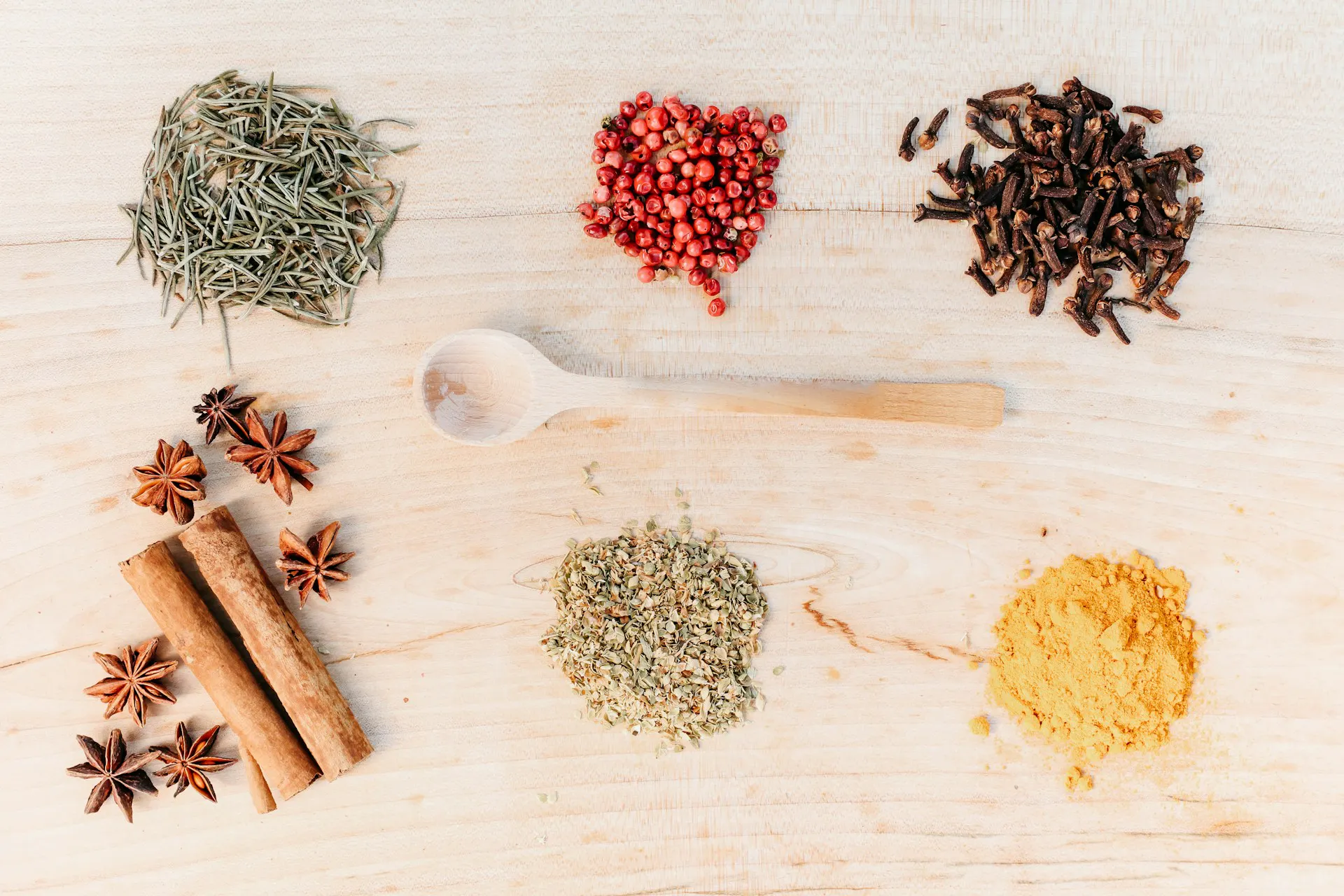
Along with Sichuan peppercorns, mala spice mix will typically include dried chilli and other aromatic spices like star anise, ginger, clove, garlic, fennel and cumin, along with salt and sugar. This combination of spices is usually made into a sauce after being simmered in oil.
The resulting seasoning mix or sauce can be used to enhance a range of dishes.
What Does Mala Taste Like?
Mala is somewhat less about the flavour itself and more about the sensation that comes with it! However, because of the rich blend of spices, a mala seasoning or sauce will offer complex umami notes and hints of sweetness beneath the heat.
Sichuan peppercorns on their own have a bright, citrusy flavour with notes of earthiness, setting the stage for their electric current-like tongue-tingling sensation!
The exact flavour of mala will depend on the recipe or region it comes from, with slight variations in the spice combination being common.
Popular Dishes That Use Mala
Mala is the backbone of many Chinese dishes, particularly in Sichuan cuisine. Classic mala dishes include:
- Mapo Tofu: A go-to mala-focused dish that simmers silken tofu and ground beef in a mala sauce.
- Mala Huoguo: Sichuan-style hot pot that uses a mala broth, in which your chosen meats and veggies are cooked.
- Mala Xiang Guo: Similar to the above, but it includes a selection of stir-fried meats, veggies and noodles, all coated in a mala sauce. It’s sometimes known as a stir-fry pot or dry pot.
- Malatang: The street food version of regular mala hot pots for solo diners rather than big communal meals.
- Mala Xiaomian: A popular street-food-style noodle dish originating in Chongqing. It usually includes boiled noodles, mala broth, leafy greens and toppings like ground pork or peanuts.
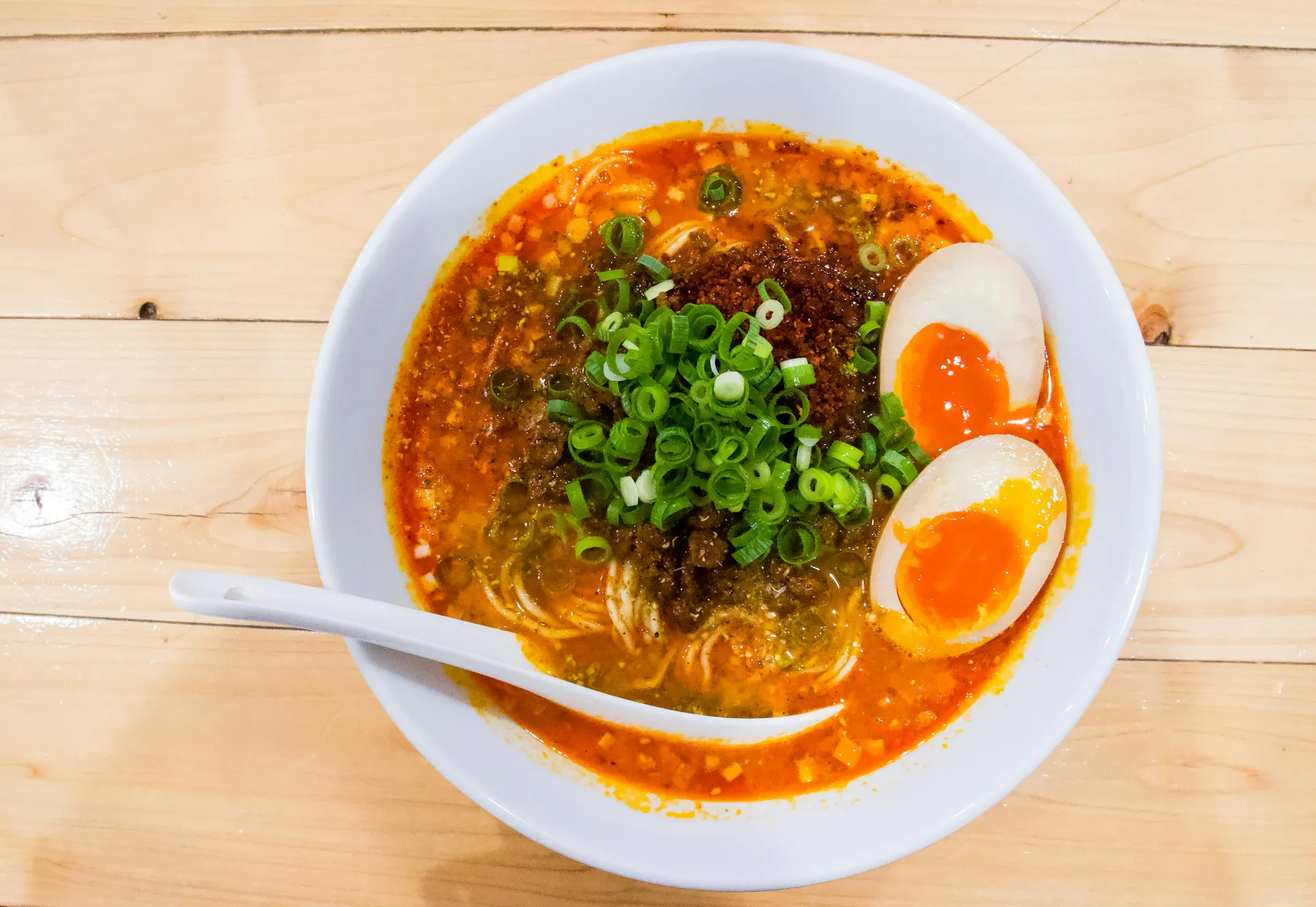
- Dan Dan Mian: Another classic street food hailing from Chengdu and consisting of wheat noodles served with rich mala sauce, minced pork, spring onions and peanuts. It is not as soupy as mala xiaomian.
- Mala Shaokao: Barbecued skewers with things like chicken, sausage, tofu and various vegetables seasoned with mala.
- Mala Beef: Tender stir-fried beef seasoned with mala spice or sauce
- Fuqi Feipian: An appetiser served cold consisting of thin beef and offal slices coated in a mala sauce.
How to Use Mala
Aside from enjoying these dishes, you can, of course, also use mala as you would any other spice by simply sprinkling it into your favourite dishes to add a unique kick. Or drizzle the sauce version over everything from dumplings and fried eggs to noodles and salads as a versatile condiment.
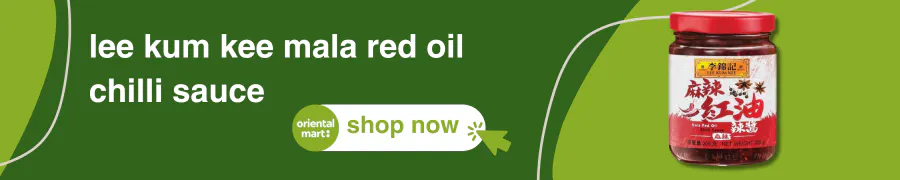
If you’d like to experiment with your favourite dishes or have a go at any of those we mentioned above, check out our full range of Asian chilli sauces, including some ready-to-use mala products.
this site uses cookies
We and our advertising partners use cookies on this site and around the web to improve your website experience and provide you with personalised advertising from this site and other advertisers. By clicking allow, you accept the placement and use of these cookies for these purposes. Learn More