




your cart
Your cart is empty.


What is Nori Seaweed?
Edible seaweeds like nori have long been culinary staples in Japanese, Chinese and Korean cuisine. Find out more about nori & how it’s used.
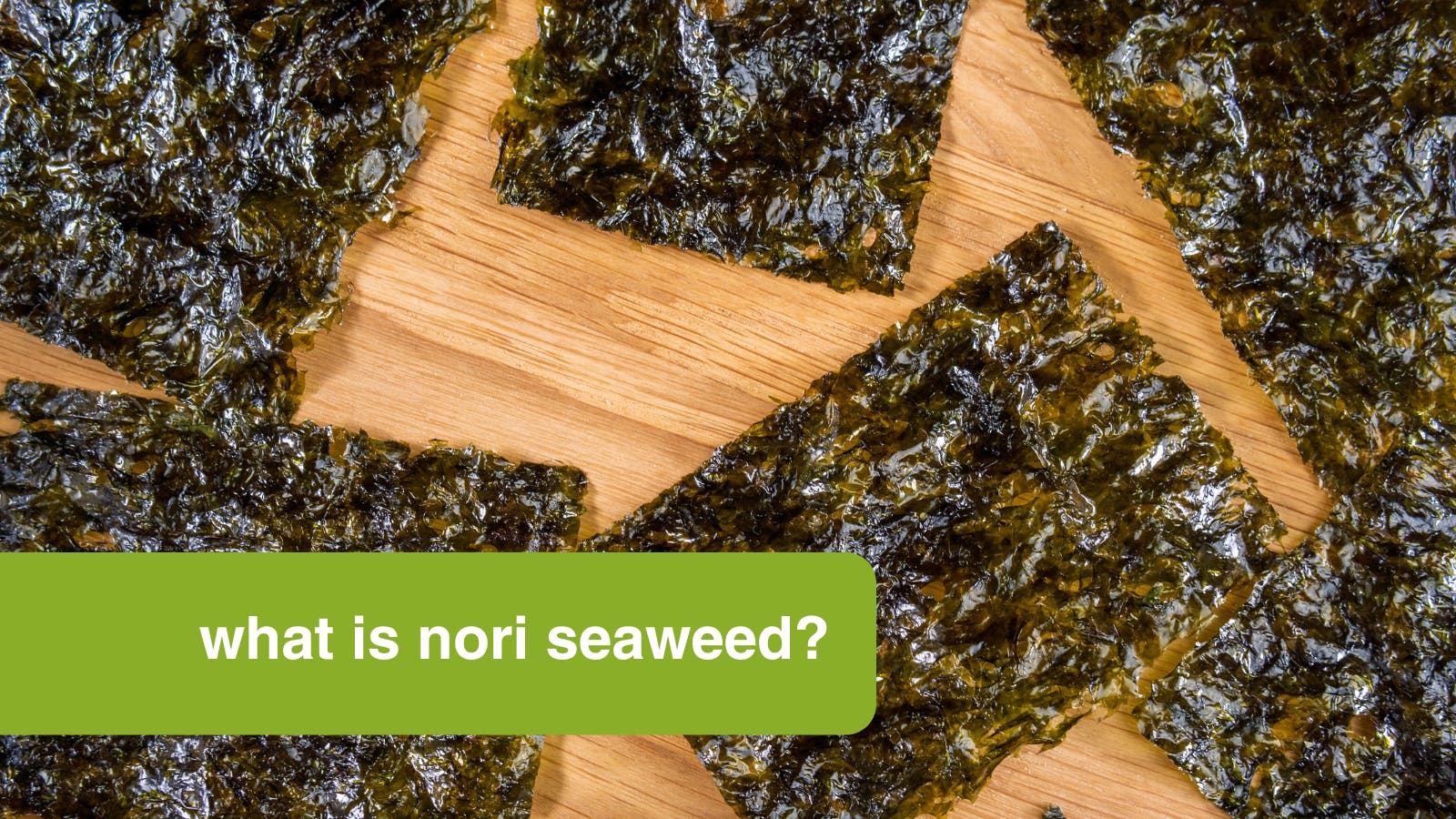
Seaweed has long been a staple ingredient in coastal cuisines around the world, especially in east Asian countries like Japan, China and South Korea. Valued for its rich nutritional profile and distinctive umami flavour, seaweed and is used in a wide variety of traditional dishes.
From adding depth to soups and broths to wrapping sushi or being enjoyed as a quick, healthy snack, there are many different types of edible seaweed. Among them, one of the most widely recognised is nori.
What is Nori?
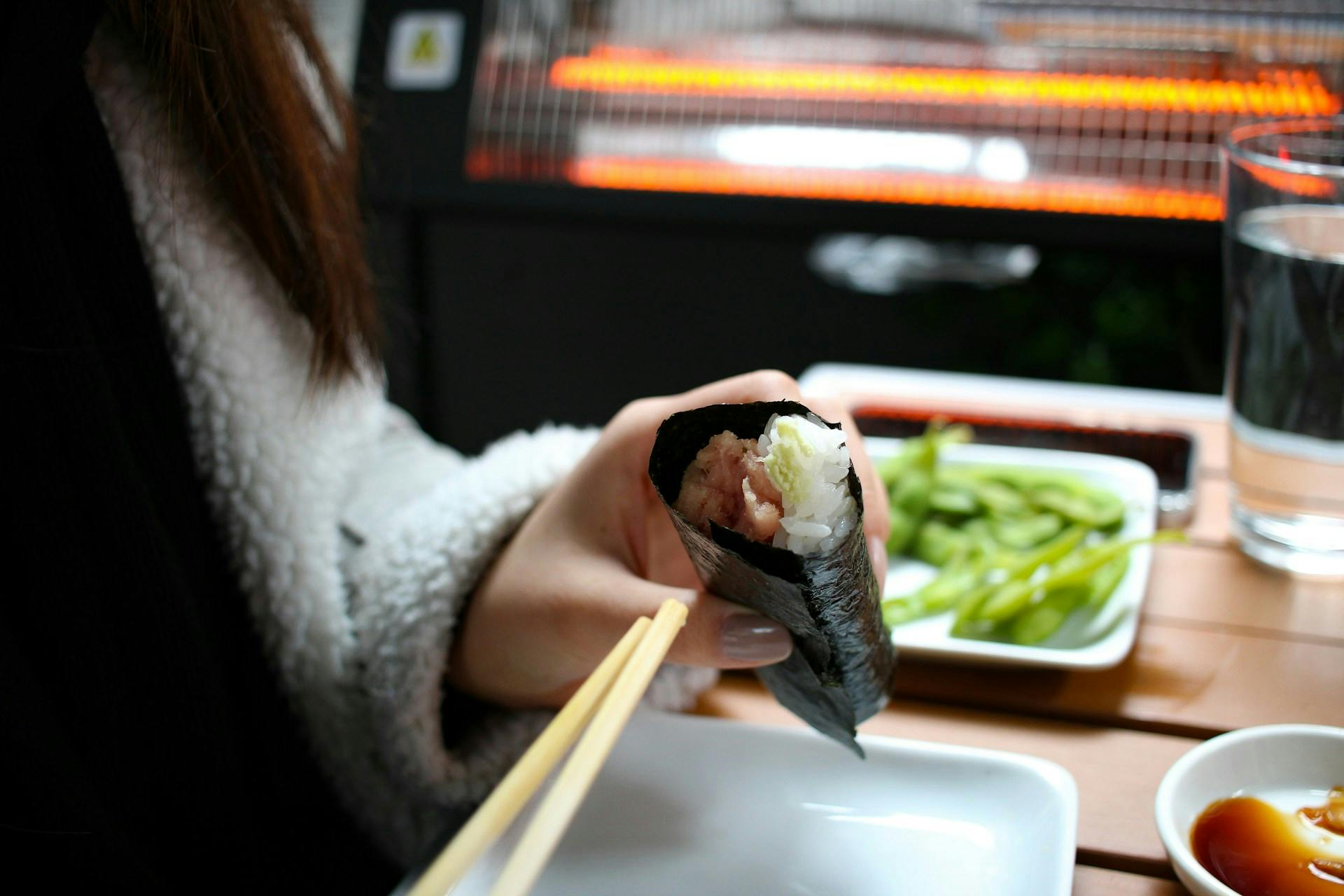
Nori is a type of edible seaweed commonly used in Japanese cuisine for preparing things like sushi and onigiri. Made from dried red algae (pyropia yezoensis), nori is typically sold in thin sheets that can be used for rolling and wrapping different foods. Once dried, it takes on a dark green or black appearance.
It is one of the most widely farmed seaweeds in the world, with a history of cultivation spanning back centuries.
Is Sushi Nori the Same as Seaweed?
Nori is simply a specific type of seaweed so, while all nori used for sushi is seaweed, not all seaweed is nori. Other types of edible seaweed include wakame, kombu, hijiki, arame, dulse and sea lettuce.
Where Does Nori Come From?
Nori is cultivated in nets in shallow, calm waters. After it is harvested it is shredded and dried into sheets. Major producers of nori include Japan, China and Korea, with some of the best, high-quality varieties coming from the Ariake Sea off of Kyushu, Japan’s southwesternmost main island. Other key areas of cultivation in Japan include the Seto Inland Sea, Tokai, Chiba and Miyagi.
What Does Nori Taste Like?
In its basic form, nori has a savoury umami taste with a slight sweetness. It does not have an overly fishy taste but does have a distinct oceanic flavour. As nori sheets are usually roasted, they also take on a toasty flavour with a mild earthiness.
Some nori sheets will also be seasoned with salt, sugar and soy sauce which will influence the flavour profile.
Different Types of Nori
Nori is graded for its quality, with characteristics like colour, sheen, thickness, texture, transparency and harvest number being assessed to determine overall quality. You will usually see these grades illustrated with a colour and letter grade (i.e. Gold/Grade A, Silver or Blue /Grade B, Red or Yellow/Grade C, Green?Grade D, where A is the highest quality and D the lowest).
If in doubt, the colour of the seaweed itself is a good indication of its quality. Darker nori sheets are generally better quality – as quality decreases, the nori becomes a lighter green colour. Lower quality nori sheets tend to be lighter in colour and have a duller sheen because they are thinner and may contain other kinds of seaweed. This usually makes them less crisp and less complex in flavour.
Most of the nori you’ll get for sushi-making is yaki-nori, which means it has been toasted to get the distinctive crisp, melt-in-the-mouth texture. This is usually sold in big rectangular sheets. However there are other variations, including:
- Ajitsuke-nori: Seasoned nori flavoured with soy sauce, sugar, mirin and dashi. It is usually sold in bite-sized strips, ideal for snacking on or eating with rice and ramen.
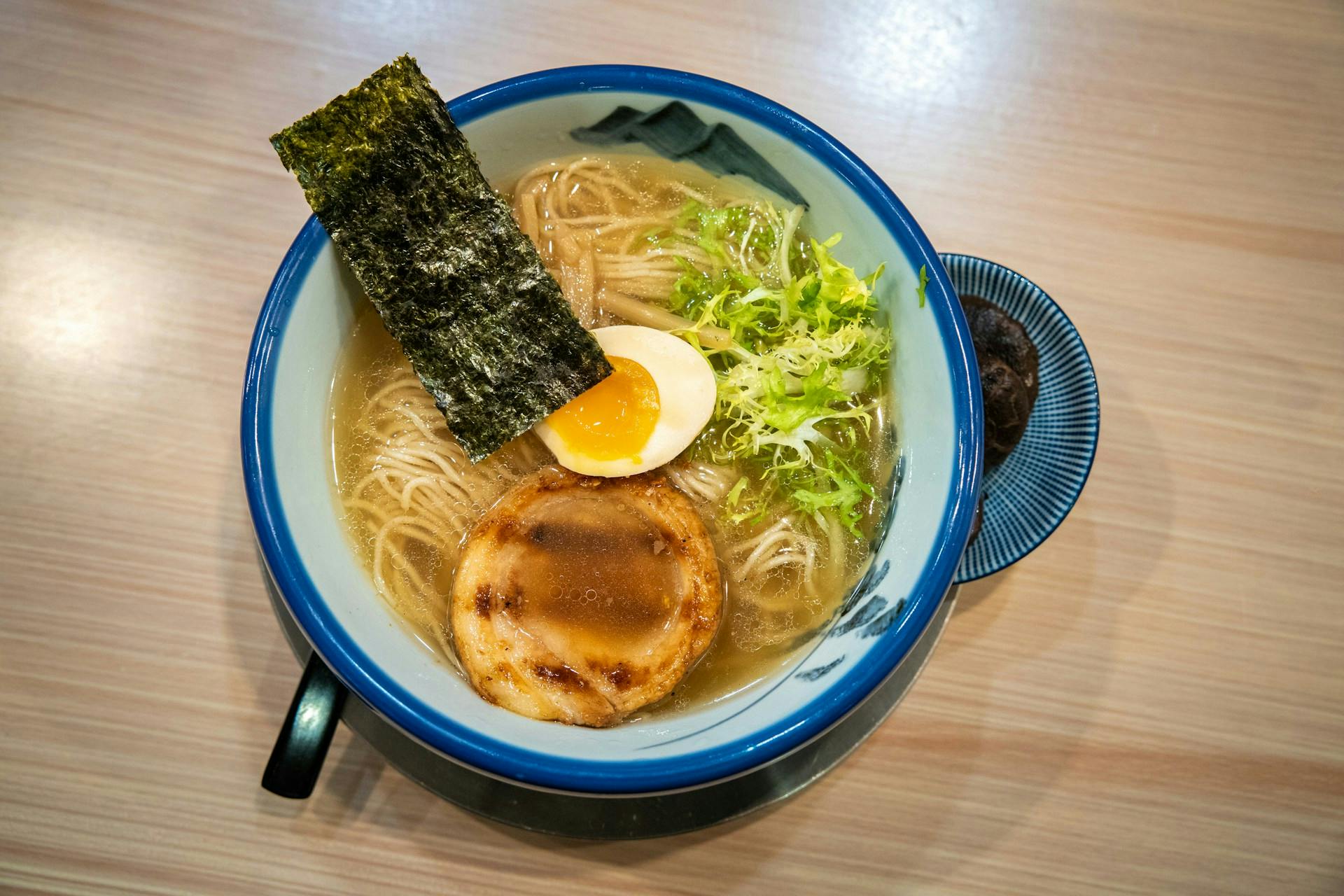
- Kizami-nori: Finely shredded nori used as a topping or garnish for rice bowls, ramen and soups.
- Bara-nori: Loose nori flakes that have not been pressed into sheets, which are used in soups or as a topping.
- Iwanori: Wild nori seaweed harvested from coastal rocks known for its rougher texture and stronger flavour.
Is Nori Healthy For You?
Nori and other types of edible seaweed are generally considered to be a very healthy addition to a balanced diet as they are nutrient-rich and low-calorie. Nori is a good source of iodine and tyrosine which can support thyroid health. It also contains various vitamins, minerals and antioxidants and boasts good dietary fibre content, which can help support gut health, heart health and general wellbeing.
While consuming too much nori can contribute to higher sodium and vitamin K intake (which can interact with some medications), eating nori, without indulging into excess, can be healthy and beneficial. Around two nori sheets a day is usually a good amount!
Are Nori Sheets Gluten Free?
The basic ingredient of nori is gluten free as it is just seaweed. However, some nori products may be seasoned with soy sauce which typically does contain gluten unless stated otherwise. Others may also be unsuitable for gluten-free diets due to cross contamination during preparation.
Make sure to check individual product packets for gluten-free certifications.
How to Use Nori Sheets
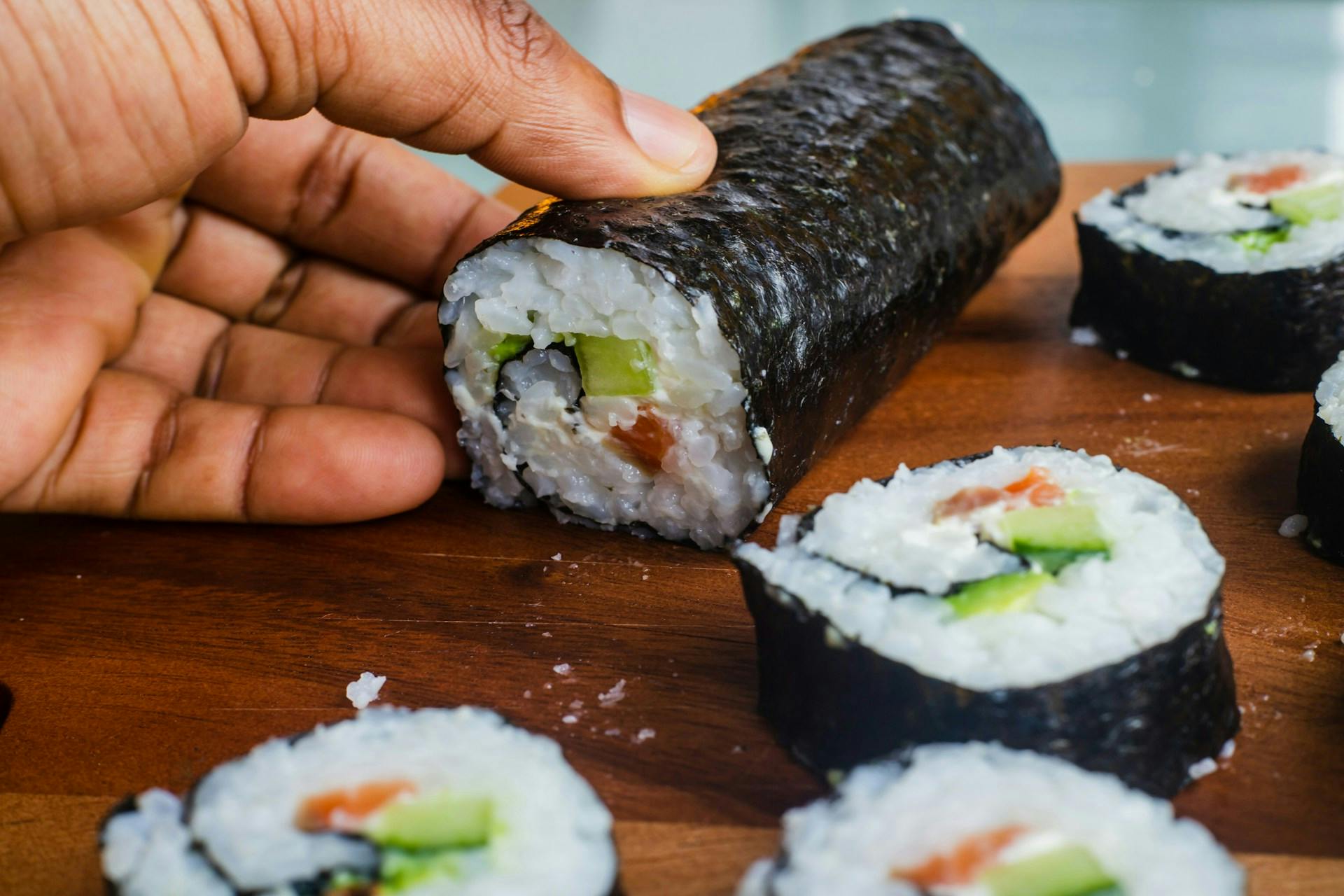
The most common use for nori sheets is in making sushi. Traditionally, a sheet of nori is placed on top of a bamboo rolling mat and covered with a layer of cooked sushi rice, leaving space along one edge. A strip of filling is then added, and the bamboo mat is used to carefully roll everything together, allowing the nori to neatly encase the rice and filling.

Aside from sushi maki rolls, nori is also used for:
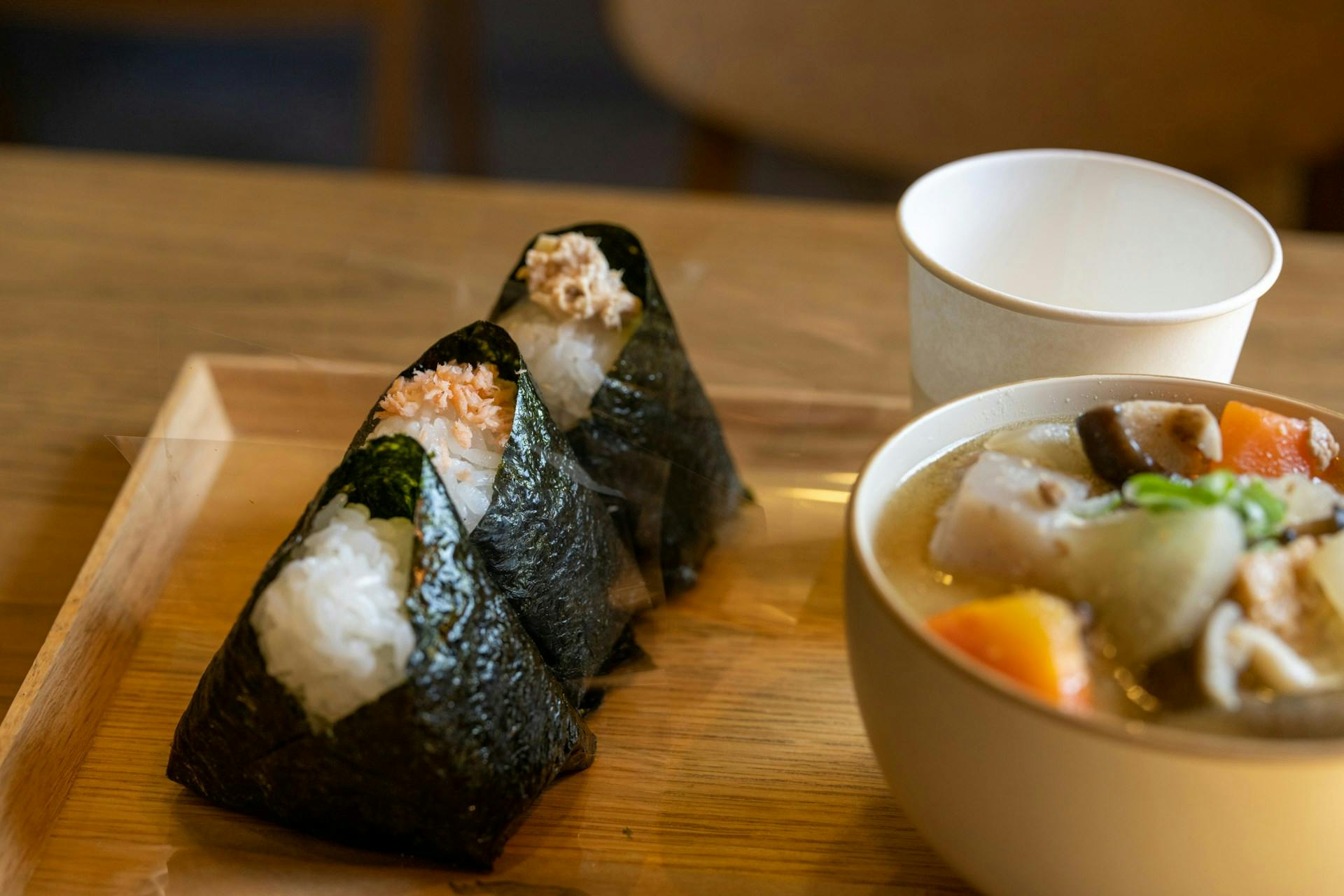
- Onigiri: Japanese rice snacks, formed into triangles and wrapped in nori.
- Gimbap: Korean rice rolls similar to sushi but with rice seasoned with sesame oil.
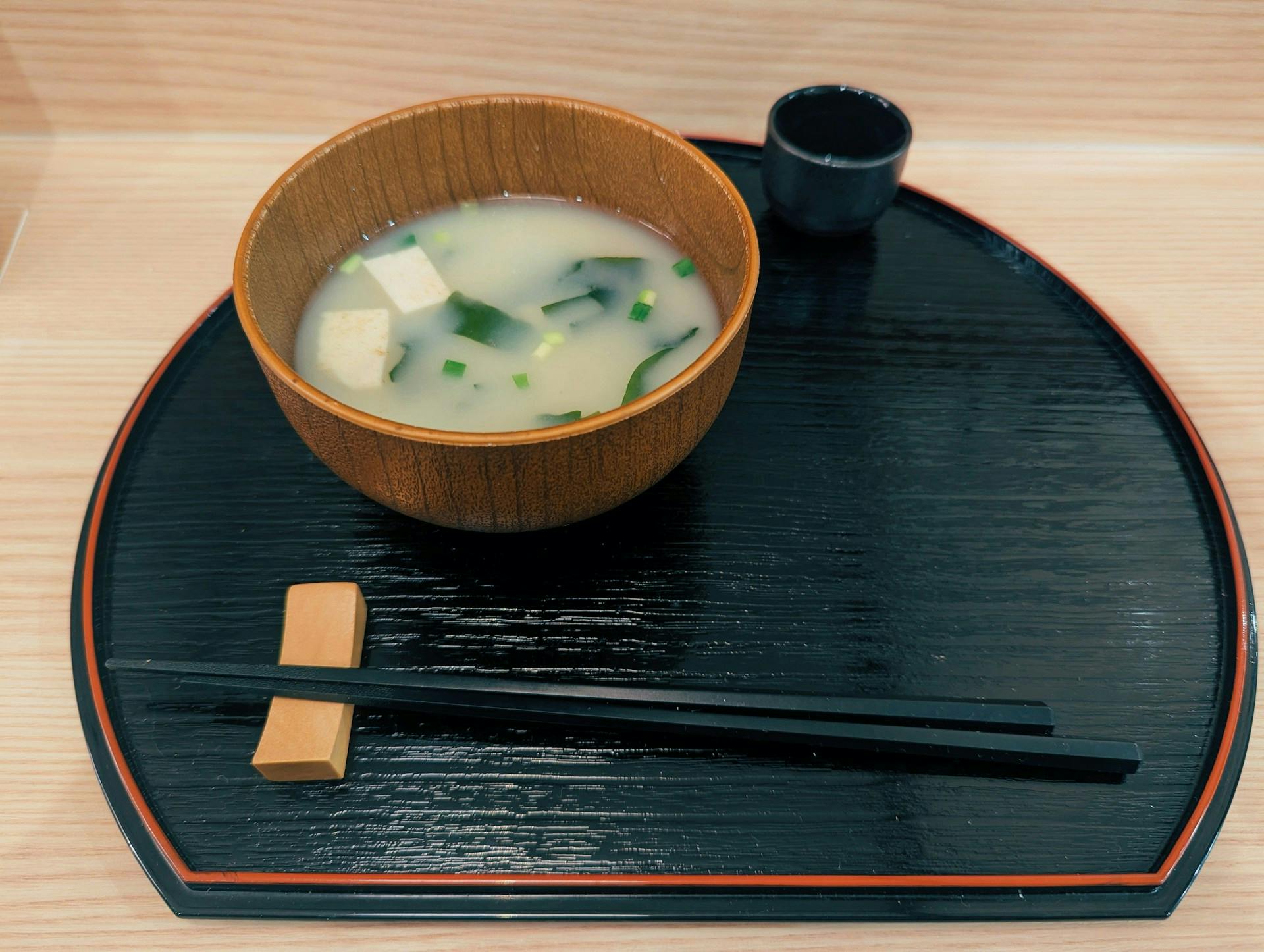
- Miso soup: A warming umami broth that sometimes uses nori as a garnish.
- Garish or toppings: Shredded or cut strips of nori can be used as a topping for ramen or rice.
Can I Use Nori Instead of Kombu?
Kombu is a type of kelp often used to make dashi, the umami stock that forms the base of miso soup and other broth-based dishes. While both are forms of seaweed, nori is not a particularly good substitute for kombu.
Kombu has a tough, leathery texture and a robust flavor, making it ideal for long, slow simmering to extract its depth into a stock. Nori, on the other hand, is much more delicate and would quickly disintegrate or become slimy if simmered, contributing very little flavor in comparison. If you cannot get your hands on kombu, an instant dashi stock is the best option.
Can I Use Nori Instead of Wakame in Miso Soup?
Wakame is another form of kelp that is often added to miso soup to add a slightly sweet, salty flavour and extra nutritional value to the dish. It comes dried and is usually rehydrated until it becomes soft and silky before being used in different dishes.
While nori and wakame are not wholly comparable, adding strips of nori to miso soup can provide a somewhat similar experience. If you want to use nori in miso soup instead of wakame, it’s best to add it directly before serving, so it doesn’t dissolve or become mushy too quickly. The effect will not be exactly the same, but nori can provide a bit of extra seaweedy goodness to your soup if it’s all you can find!
Want to incorporate more dried seaweed into your diet? Take a look at our great selection of authentic nori sheets, kelp slices, hijiki and more, perfect for a range of homemade dishes.
For everyday snacking, be sure to check out our range of seaweed snacks.
this site uses cookies
We and our advertising partners use cookies on this site and around the web to improve your website experience and provide you with personalised advertising from this site and other advertisers. By clicking allow, you accept the placement and use of these cookies for these purposes. Learn More