




your cart
Your cart is empty.


6 Different Types of Tofu & How to Use Them
Tofu is an incredibly versatile ingredient that comes in many forms – check out some of the most popular types and how they're used.
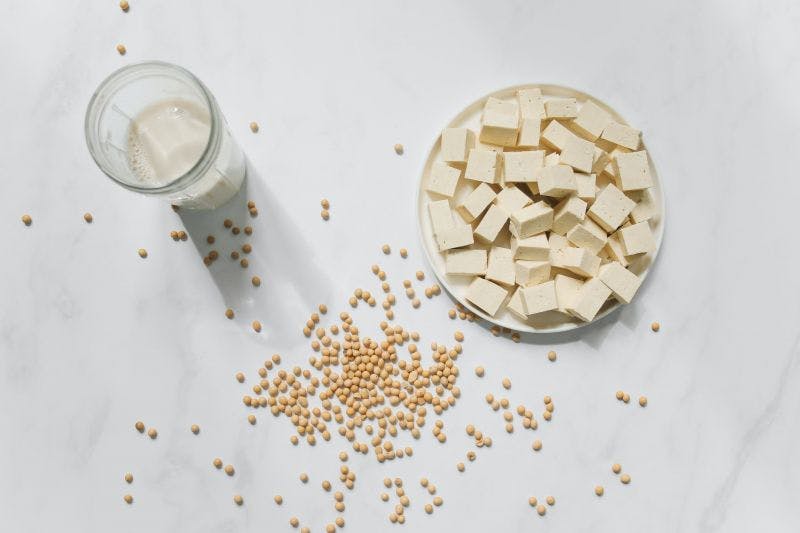
Tofu is enjoyed around the world as a versatile ingredient that’s high in protein, meaning it is often used as a meat substitute. It is particularly popular in Southeast Asia, showing up in many iconic dishes, but it has also become more popular in the Western world over the past decade as meat-free diets continue to become more popular.
When it comes to tofu, you’ll encounter a couple of different types. Our guide takes you through everything you need to know about the various types and what you can expect when incorporating them into a dish.
What is Tofu?
Before we jump into the many different types, let’s look at what tofu actually is! Tofu’s origins are based in China - legend states that a Chinese cook accidentally discovered it when they unwittingly curdled soy milk with nigari seaweed.
You may also hear tofu referred to as ‘bean curd’ as it’s made from soybean/soya milk. The milk is curdled and pressed into a block, much like how cheese is made. It can be prepared and cooked in different ways to give various textures.
On its own, the flavour of tofu is fairly mild, making it a great blank canvas to absorb all the flavours you add to it, helping to create succulent and flavourful dishes.
What are the Different Types of Tofu?
There are several different types of tofu, and they are usually categorised by texture or consistency, with the different types being suited for various dishes.
- Silken tofu
- Soft/Medium tofu
- Firm tofu
- Fermented tofu
- Aburaage tofu
- Tofu skins
Ambient/Silken Tofu
Features:
- delicate and creamy
- mild flavour
- used in sauces, stews and desserts
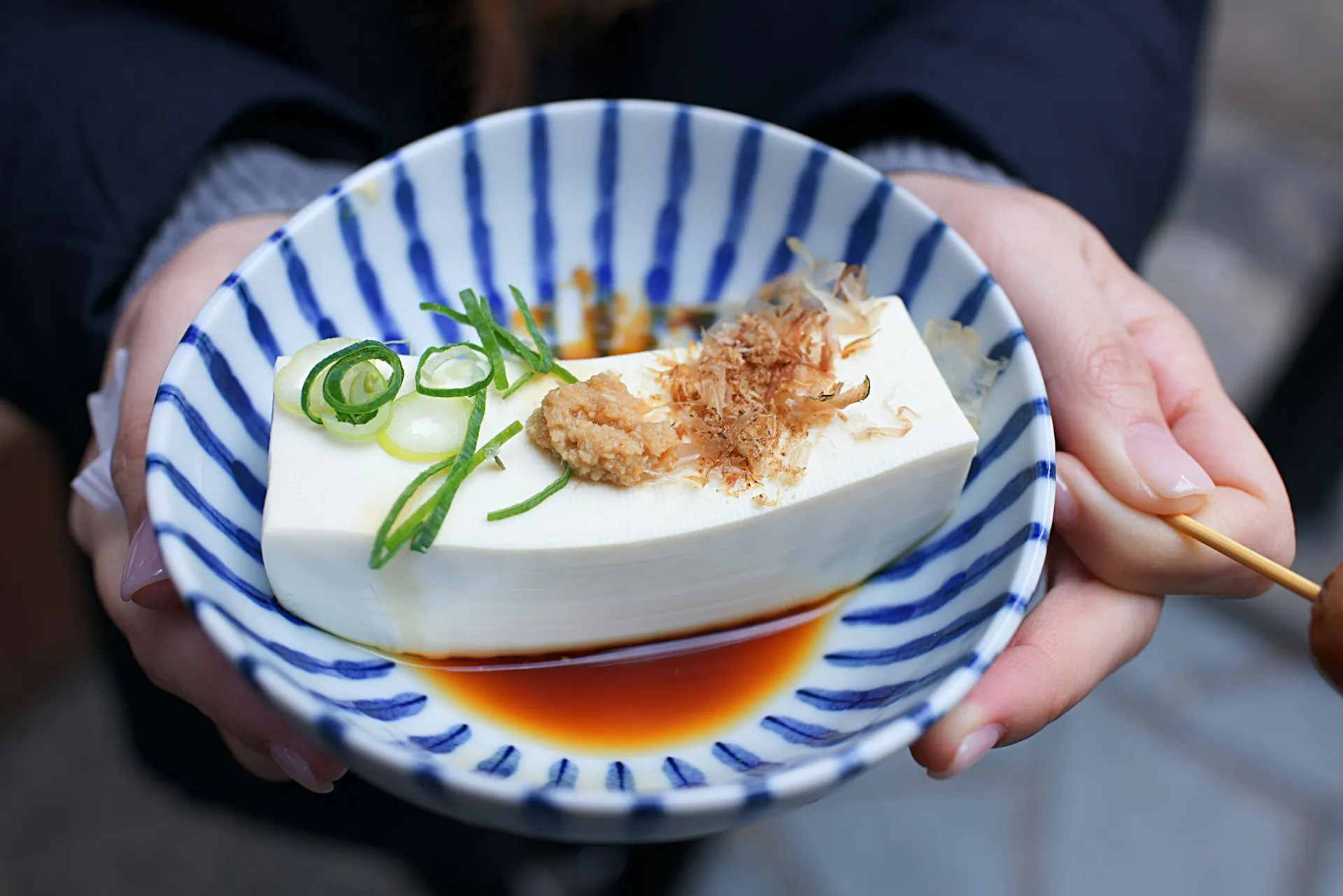
This is the most delicate tofu type - it has a soft, creamy texture thanks to its high water content. The flavour is also very mild, making it incredibly versatile.
In Japan, this kind of tofu is often incorporated into a dish called hiyayakko. This is a simple but tasty recipe that combines the chilled silken tofu with ginger, spring onions and soy sauce.
Silken tofu can also be used in sauces, stews and even desserts, providing a unique texture that adds something extra special to a dish!
Soft/Medium Tofu
Features:
- soft and succulent
- excess water is pressed out
- crumbly texture
- perfect for soups
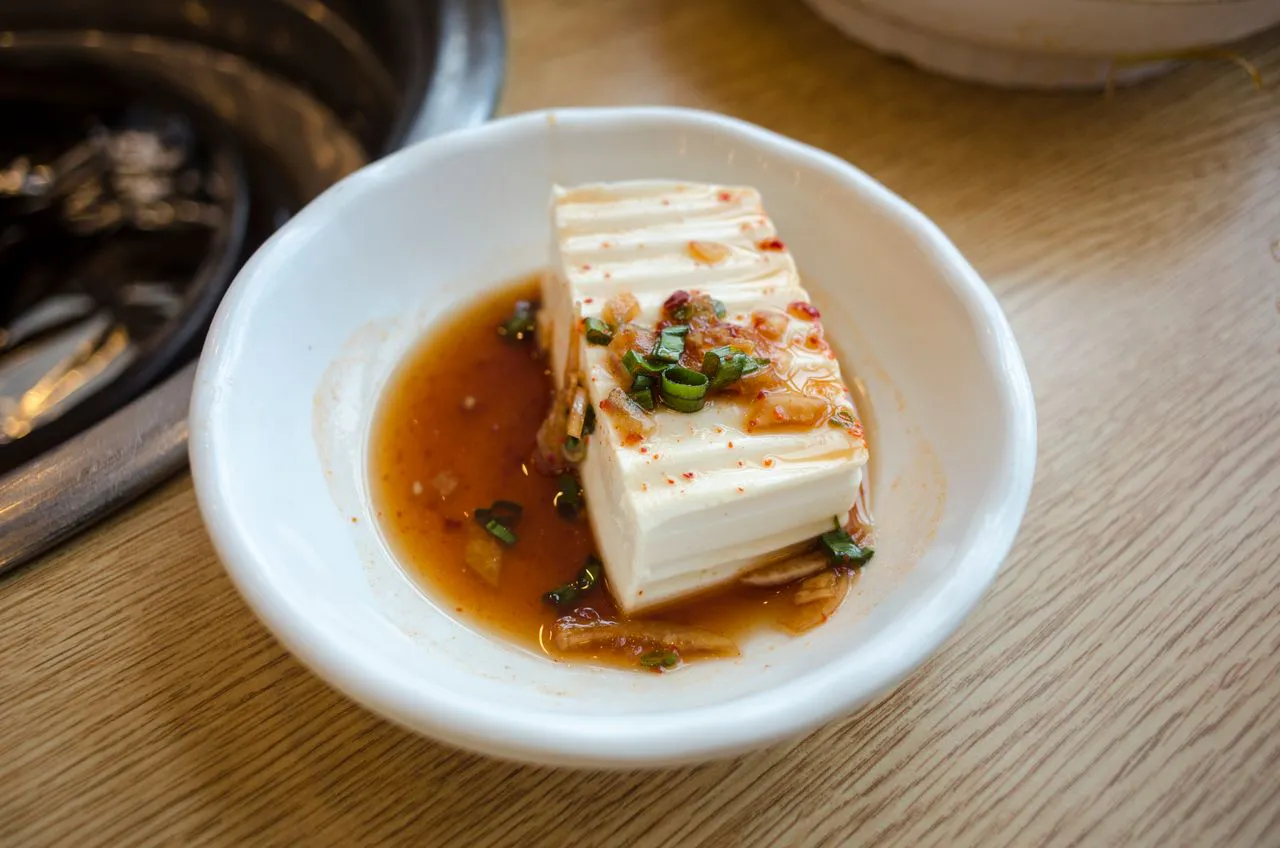
Soft and medium tofu has a slightly firmer consistency than silken tofu, but still offers a soft, succulent texture.
Silken tofu is simply left to curdle and set, whereas the process of making firmer tofu includes an extra step - pressing. This means excess water is essentially squeezed out of the tofu block. As not all water is pressed out, you will still be left with a soft, but more compact texture.
This type can be prone to crumbling and breaking up when not handled carefully. Due to its more unstable consistency, it often fairs better when dropped into soups, rather than being cooked on the grill or in a stir fry.
Firm Tofu
Features:
- most common type
- firm consistency
- used as an alternative to meat
- versatile
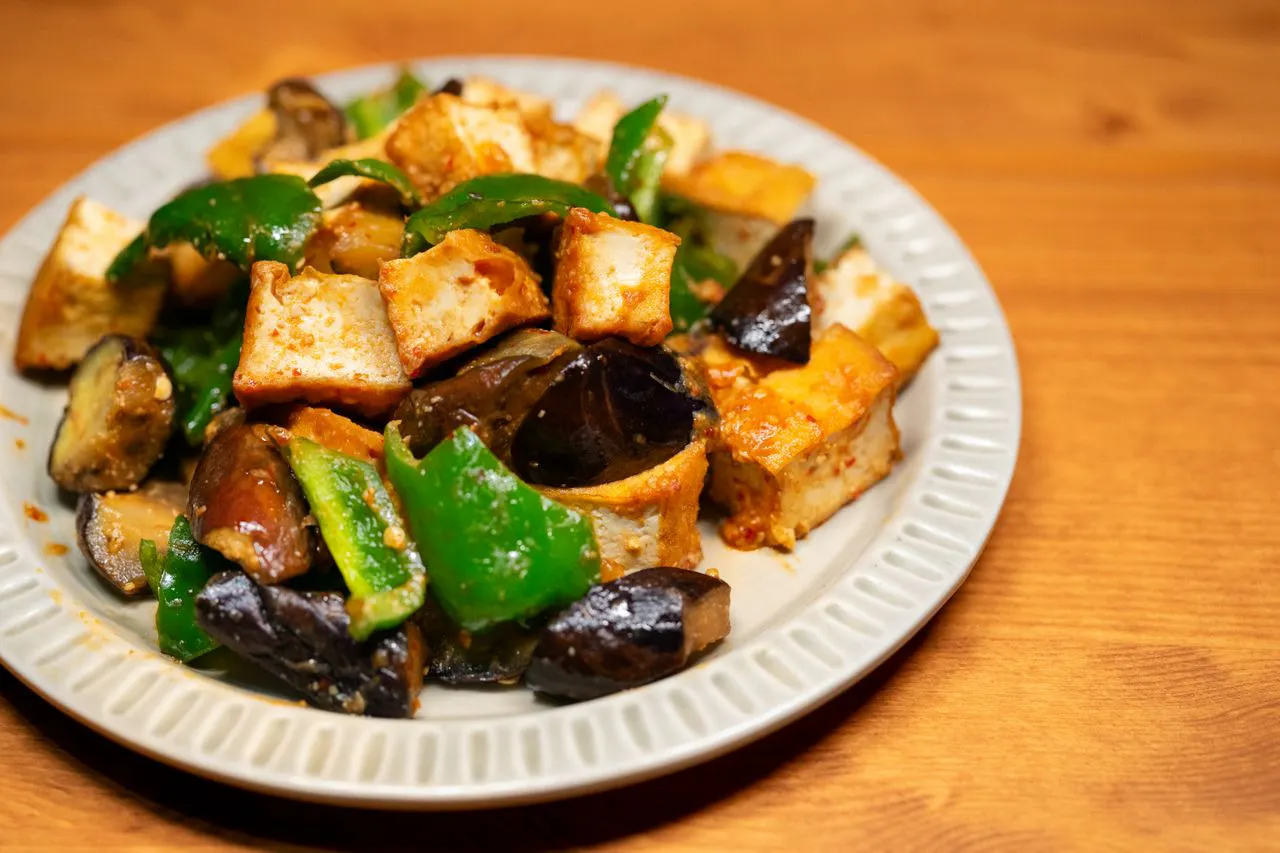
This is the kind of tofu you’ll usually find in the supermarket. As the name suggests, this tofu has a firmer consistency. Firm tofu will not break apart as easily as softer types and can be sliced with a knife.
Many use this kind of tofu as an alternative to meat as the texture resembles it more convincingly. You can successfully use firm tofu in a wide range of dishes, including stir frys, hot pots, dumpling fillings or even deep-fried dishes.
You can dry the tofu or press out further water before cooking to allow it to absorb more marinade or seasoning. As more water is pressed out, tofu becomes firmer.
You may also find extra-firm and super-firm tofu, which is increasingly more dense than the previous type. However, as tofu becomes more firm, it also becomes less effective at absorbing your marinades and sauces, so consider whether your dish prioritises texture or flavour before pressing.
Fermented Tofu
Features:
- salty, umami flavour
- soft texture
- used to flavour hot pots and congee
Fermented tofu may sound a little off-putting at first, but it can be a wonderful, flavourful addition to sauces and hot pots, adding a mouthwatering umami flavour to your dishes.
It has the texture of a soft cheese and provides a deep, salty taste. It is made when a mixture of water, salt and rice wine is used to ferment the tofu.
It is often thought of as more of a flavouring than a bulk ingredient, with portions of fermented tofu being mashed into a paste to add to bowls of congee or hot pot.
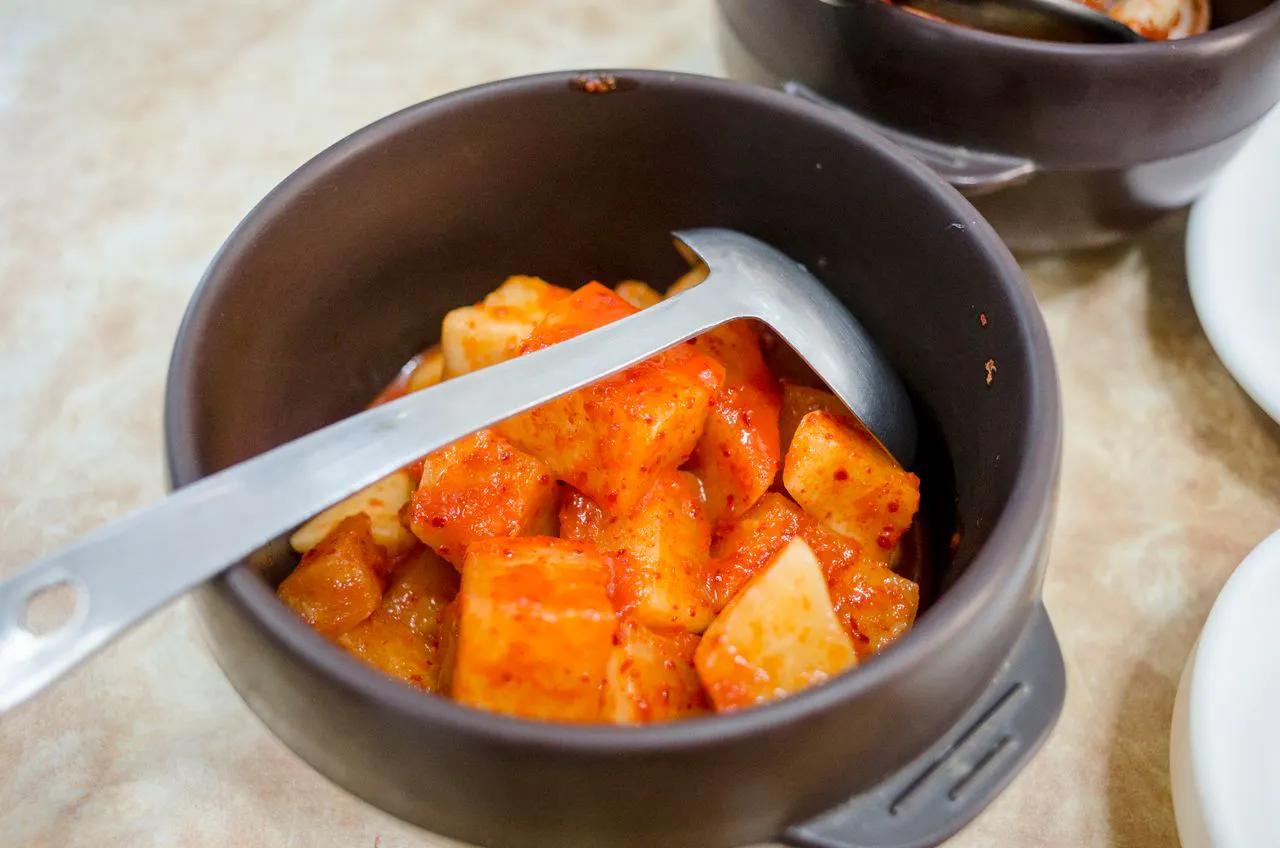
Aburaage Tofu
Features:
- deep-fried
- hollow pockets that can be filled
This is a delicious tofu dish that is popular in Japan. Aburaage tofu is made when tofu is cut into slices and deep-fried. The frying causes the tofu slices to puff up and expand, turning them into hollow pockets to which a wide variety of fillings can be added.
Inarizushi is an iconic, delicious dish that’s made by adding sushi rice into these aburaage pockets.
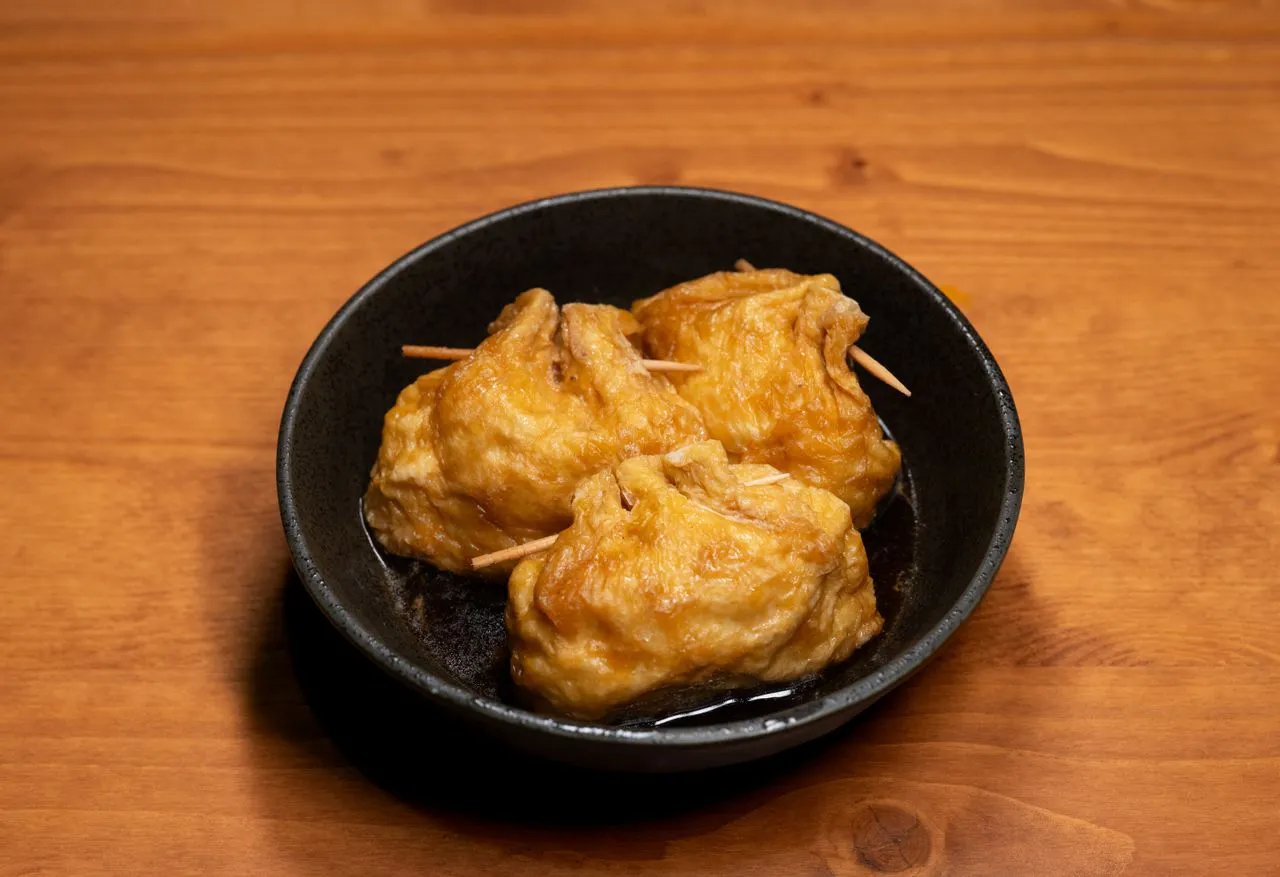
Tofu Skins
Features:
- made from layers of simmering soy milk
- adds texture to various dishes
- bought in dried form
Another popular way to enjoy tofu is via tofu skins. Technically, this is not actually tofu as no coagulant is used to get the classic tofu texture, but tofu skins are made from soy milk, so many consider them to be a tofu product.
Also known as yuba in Japan, these skins are made by peeling off the layers that form on simmering soy milk. For the uninitiated, this might sound a little unusual, but the subsequent skins can be a wholesome addition to a wide variety of dishes.
You will usually buy tofu skins in dried form - these give a flaky texture, similar to filo pastry. They can be rehydrated before being added to your chosen dish, or used to make spring rolls and dim sum.
What Type of Tofu for Miso Soup?
Silken tofu is the traditional choice for miso soup as it provides that signature soft texture.
What Type of Tofu for Stir Fry?
Firm tofu is usually best for stir-fries as you want something that will hold its shape while frying.
What Type of Tofu for Mapo Tofu?
Mapo tofu is a dish known for its succulent melt-in-the-mouth texture, meaning you should use either silken or soft tofu for slightly more bite.
What Type of Tofu for Pad Thai?
Extra firm tofu is best for pad Thai, as again you'll want something robust enough to hold its shape and get nice and crispy on the outside.
Tofu is a unique ingredient that can add delicious flavours and textures to your dishes.
With so many types available, there’s lots of room to experiment and find the best option for you! If you want to find a new favourite tofu dish, remember to explore our range of tofu and other authentic Asian ingredients.
this site uses cookies
We and our advertising partners use cookies on this site and around the web to improve your website experience and provide you with personalised advertising from this site and other advertisers. By clicking allow, you accept the placement and use of these cookies for these purposes. Learn More